Trying to choose between a condo and a rowhouse in Charlestown? You are not alone. In one of Boston’s most distinctive neighborhoods, the right home is often less about looks and more about how you want to live, budget, and maintain your property over time. This guide will help you compare the tradeoffs so you can move forward with more confidence. Let’s dive in.
Charlestown Housing at a Glance
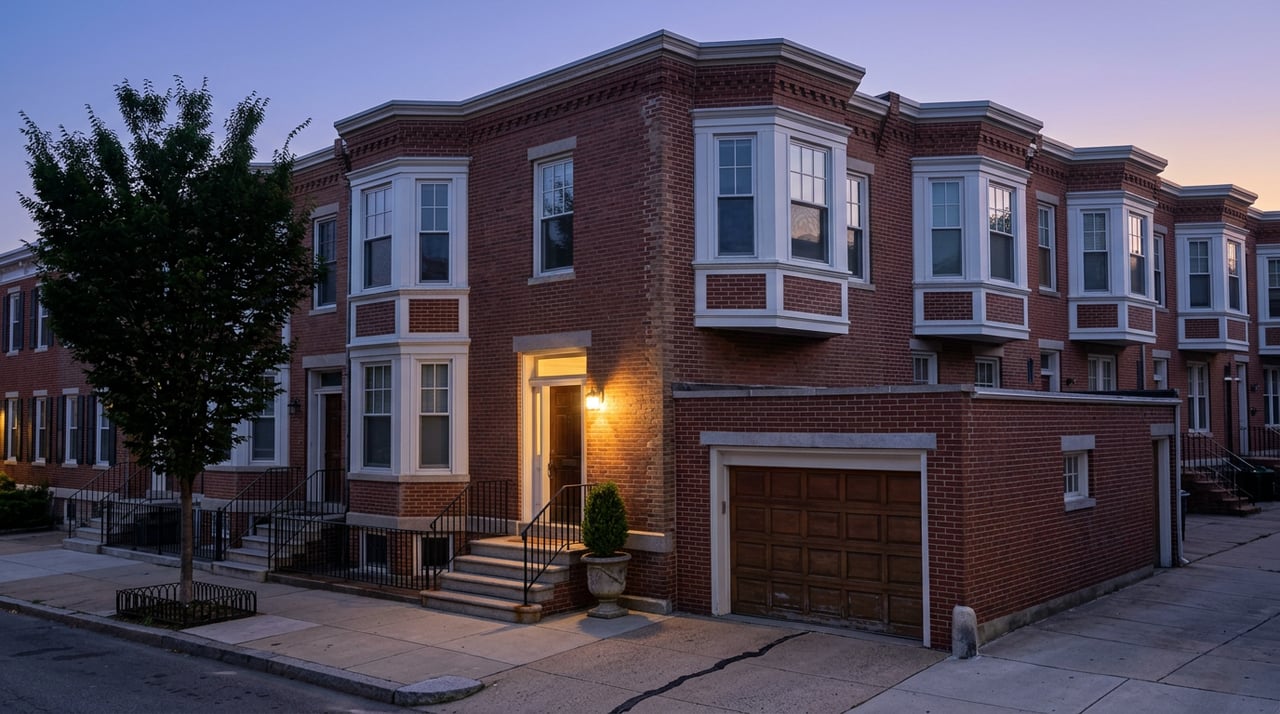
Charlestown has a housing mix that is unusually varied for a compact Boston neighborhood. The City of Boston describes it as a blend of brick and wood row houses, public housing, and newer waterfront condos and apartments. That mix gives buyers real options, but it also means two homes on the same street can come with very different ownership rules and responsibilities.
The 2025 Charlestown neighborhood profile reports 9,657 housing units, with 48.0% renter-occupied units. The same profile shows a compact housing mix, with 34.1% studios or one-bedrooms, 39.0% two-bedrooms, and 26.9% three-bedroom-plus homes. For buyers, that means condos and attached homes both play a meaningful role in the local market.
Price points can also vary widely. Recent market snapshots show an average Charlestown home value of $1,010,003, a median sale price of $916,667, and a median list price of $993,832, while median condo list pricing has been reported around $869K. In practical terms, your entry point may depend as much on ownership structure as square footage or finish level.
Condo vs. Rowhouse Basics
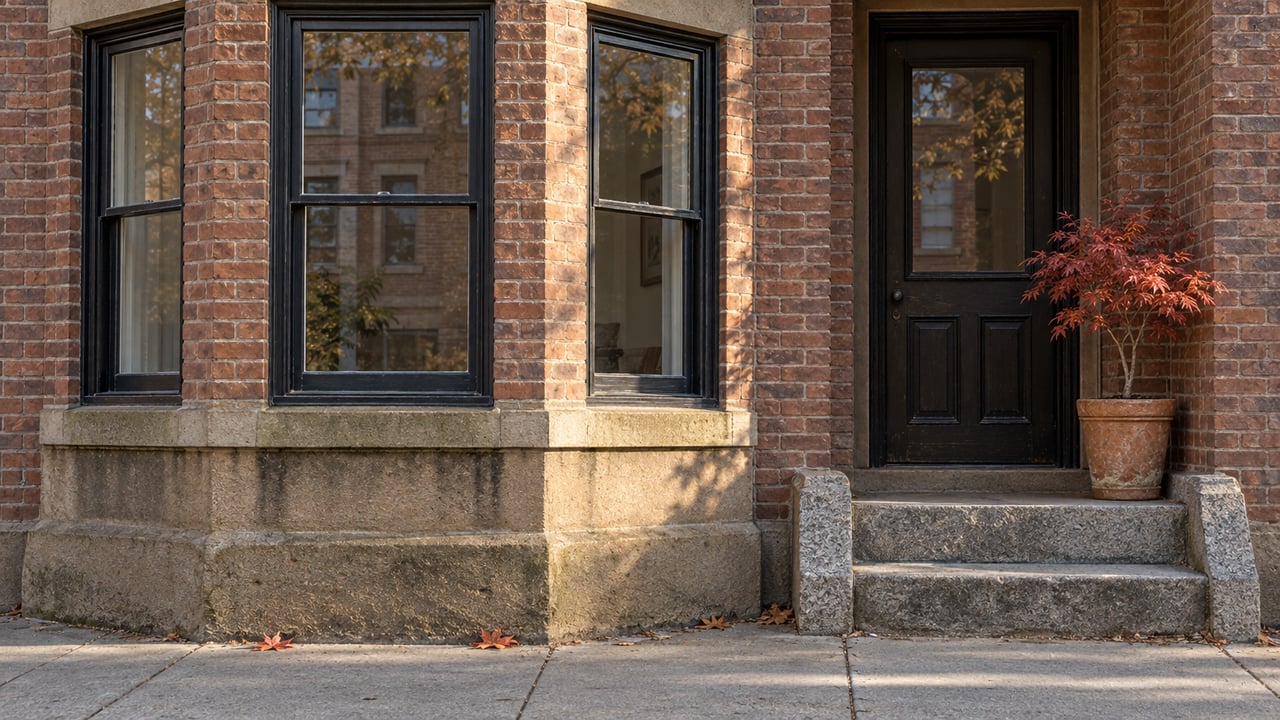
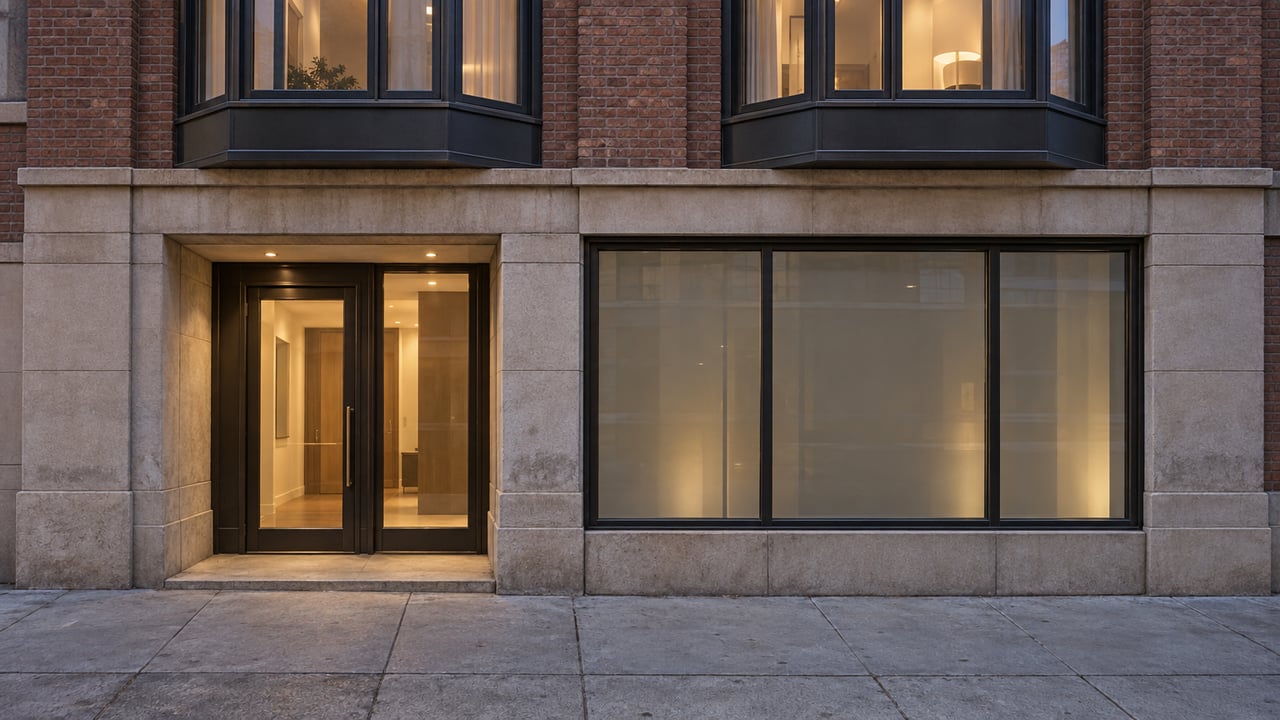
At first glance, a Charlestown condo and a Charlestown rowhouse can look similar. Some homes even blur the line visually, especially when a listing is in a classic attached building but sold as a condominium. That is why the legal ownership form matters more than the facade.
What a Condo Usually Means
In Massachusetts, condos are privately owned units governed by the master deed, individual deed, bylaws, and Chapter 183A. Common expense assessments must be made at least annually based on an adopted budget. So when you buy a condo, you are buying your unit plus shared rights and obligations tied to the building.
That structure can create more predictability. The association usually handles the building, common walls, and grounds, while your monthly condo fee helps fund shared maintenance and operations. But that fee is not just a line item on paper. It can reflect reserve funding, ongoing upkeep, and the possibility of special assessments.
What a Rowhouse Usually Means
A true fee-simple rowhouse generally gives you more direct control over the building and lot. Unlike a condo, there is not typically an association managing common elements or collecting common expenses. For many buyers, that independence is a big part of the appeal.
The tradeoff is that more responsibility falls on you. Roof work, masonry, windows, exterior painting, insurance decisions, and long-term capital planning are typically your job. If you want autonomy, that may feel like a benefit. If you want fewer moving parts, it may feel like a burden.
Monthly Costs and Ongoing Expenses
Your monthly payment is only part of the ownership picture. In Charlestown, the more useful question is how predictable your housing costs will be over the next several years.
Why Condos Can Feel More Predictable
Many buyers like condos because the ongoing structure can feel simpler. If the association is well run, the fee can help smooth out maintenance costs over time rather than leaving you exposed to every big-ticket repair at once. That can be especially attractive if you prefer a more lock-and-leave lifestyle.
Still, condo fees deserve a closer look. You should understand what the fee covers, whether reserves appear adequate, and whether there have been recent or pending special assessments. A lower fee is not always better if it means deferred maintenance or weak reserve planning.
Why Rowhouses Can Bring More Variability
With a rowhouse, you avoid condo fees, but that does not mean ownership is cheaper month to month. It means expenses are less pooled and often less predictable. A quiet year may feel manageable, while a year with roof work or exterior repairs may look very different.
That variability can work well if you want full control over timing and scope. It can be harder if you prefer fixed expectations and shared responsibility. In older attached housing stock, planning ahead matters.
Maintenance and Decision-Making
One of the clearest differences between condos and rowhouses is who makes decisions and who coordinates the work.
Condo Maintenance Responsibilities
In a condo, the association usually covers shared building systems, common walls, and grounds under the governing documents and master policy structure. That can reduce the number of maintenance decisions you have to make on your own. For busy buyers, that convenience is often a major selling point.
But convenience comes with shared governance. Important repairs, budgets, and major projects may depend on association votes, reserve strength, or timing set at the building level. If you prefer full control, that can feel limiting.
Rowhouse Maintenance Responsibilities
With a rowhouse, you usually control the schedule, contractor choices, and repair priorities. If the facade needs work or the windows need replacement, you are not waiting for association consensus. That flexibility can be valuable, especially if you have a clear long-term plan for the property.
At the same time, the responsibility is real. You need to budget for full-building upkeep and think beyond immediate cosmetic updates. In Charlestown’s older housing stock, exterior care and long-term planning are part of ownership.
Renovation Flexibility in Charlestown
If you are thinking ahead to renovations, additions, or exterior changes, Charlestown requires extra attention. The neighborhood’s historic character is one reason buyers love it, but it can also affect what changes are possible.
Historic Review Can Matter
Boston’s Landmarks Commission states that exterior, and in some cases interior, changes to designated landmarks and properties in local historic districts are reviewed and approved through design review. Occupancy and use are not subject to review, but physical changes may be. That matters whether you buy a condo or a rowhouse.
Charlestown’s Monument Square area is also under study as the neighborhood’s first local landmark district. The study process began in 2025 and is considering possible boundaries, protections, and standards that could limit demolitions, landscape or topography changes, and major height or massing increases. For buyers, that means renovation flexibility may not be the same on every block.
Rowhouse Buyers Should Look Closely
If you are leaning toward a rowhouse because you want more control, make sure you verify what that control actually looks like. Exterior work could still require review depending on the property’s status and location. A classic attached home can offer more freedom than a condo, but not unlimited freedom.
Charlestown also has a deep stock of historically significant housing types, including brick enders, oblong-form houses, and Greek Revival dwellings. That architectural depth is part of the neighborhood’s appeal, but it also makes due diligence especially important before you assume a project will be straightforward.
Condo Buyers Should Read the Documents
Condo owners may face two layers of limitation. First, the association documents may control what changes you can make to common elements or limited common elements. Second, preservation review may apply depending on the building and location.
This is especially important for outdoor areas and building features. A roof deck, patio, storage area, or parking space may be deeded to the unit, defined as a limited common element, or treated as common area under the master deed and bylaws. Those distinctions affect both use and renovation rights.
Outdoor Space and Everyday Living
Outdoor space can be a deciding factor in Charlestown, but private yard space is not the only lifestyle variable that matters.
The Charlestown Navy Yard forms the southern edge of the neighborhood, and the city notes that residents and visitors can use its green spaces and piers. In other words, your day-to-day access to outdoor areas may come from shared neighborhood assets as much as from a private deck or backyard.
For condo buyers, confirm whether decks, terraces, roof rights, or parking spaces are truly part of the unit or shared in some way. For rowhouse buyers, confirm whether the outdoor area is fully private and whether future changes could trigger preservation review. These details can shape both resale value and how the home actually lives.
Which Home Type Fits You Best?
The best choice usually comes down to your comfort with maintenance coordination versus renovation control. In Charlestown, that tradeoff matters more than usual because the neighborhood blends older attached homes with newer condo inventory and has an active preservation process shaping future change.
A Condo May Be a Better Fit If You Want:
- Fewer solo maintenance decisions
- Clearer monthly carrying costs
- Building-level responsibility for common walls and grounds
- A more lock-and-leave ownership style
- Shared management of major building upkeep
If you go this route, review the master deed, bylaws, annual budget, reserve position, recent or pending special assessments, and the master insurance policy before you commit.
A Rowhouse May Be a Better Fit If You Want:
- More direct control over your property
- Less dependence on association votes
- More freedom in how you plan upgrades
- A home that feels more individualized
- Full authority over maintenance timing and scope
If that sounds right for you, budget carefully for full-building upkeep and confirm whether historic or landmark review may affect exterior work.
Questions to Ask Before You Tour
Before you fall in love with a kitchen or roof deck view, ask practical ownership questions. In Charlestown, the answers can be just as important as the finishes.
- Who owns the roof, facade, windows, decks, basement, and parking?
- What exactly do the condo fees cover?
- Are reserves adequately funded?
- Have there been any recent or pending special assessments?
- Is the property in a current or proposed historic district?
- Is the outdoor space private, limited common, or common area?
- Could future dormers, facade changes, or expansion trigger preservation review?
The right answers depend on your priorities. If you value simplicity, a well-run condo may be the better fit. If you value control, a fee-simple rowhouse may give you more of what you want.
Choosing between a condo and a rowhouse in Charlestown is not about picking the “better” home type. It is about choosing the ownership structure that matches how you want to live, spend, and plan for the future. If you want help weighing the tradeoffs in Charlestown or nearby Boston neighborhoods, Jack Rooney can help you evaluate the details and make a confident move.
FAQs
What is the main difference between a Charlestown condo and a Charlestown rowhouse?
- A condo usually includes shared ownership obligations through an association, while a fee-simple rowhouse usually gives you more direct control over the building and lot.
What should you review before buying a condo in Charlestown?
- Review the master deed, bylaws, annual budget, reserve position, recent or pending special assessments, and the master insurance policy.
Why can renovation rules matter in Charlestown?
- Exterior, and in some cases interior, changes to designated landmarks and properties in local historic districts may require design review, and parts of Charlestown are under active preservation study.
Does a rowhouse in Charlestown always mean more renovation freedom?
- No. A rowhouse may offer more direct control than a condo, but exterior changes can still be affected by historic or landmark review depending on the property and location.
How should you compare outdoor space in Charlestown homes?
- Confirm whether a deck, patio, roof deck, storage area, or parking space is deeded, limited common, common area, or fully private, because those rights can affect daily use and future changes.