If you want a Boston condo that puts you close to Back Bay, Downtown, Boston Common, and the Theater District all at once, Midtown deserves a closer look. This part of central Boston appeals to buyers who want a polished, full-service lifestyle without giving up walkability or transit access. If you are comparing condo options in and around 02115, it helps to understand that Midtown works a little differently from the surrounding neighborhoods. Let’s dive in.
Where Midtown Fits In Boston
Midtown is best understood as a central Boston condo district that sits between several better-known neighborhoods rather than inside one classic residential area. Boston planning materials describe the Midtown Cultural District as part of the downtown core, with a framework that balances development, historic resources, and open space.
That matters when you are searching online because Midtown is often discussed alongside Back Bay, Downtown, Bay Village, and the southern edge of the central core. While 02115 is associated with Fenway-Kenmore, Midtown is more accurately described as an adjacent central Boston market area than a 02115-only neighborhood.
In practical terms, Midtown gives you a very central address with easy access to multiple parts of the city. Instead of a brownstone streetscape or a single neighborhood identity, you get a downtown-core setting with high-rise living and strong day-to-day convenience.
What Midtown Condo Living Feels Like
Midtown Boston condos tend to follow a very different model from the homes you see in Back Bay, South End, or Bay Village. The area is known more for full-service residential towers than for smaller walk-up buildings or historic rowhouses.
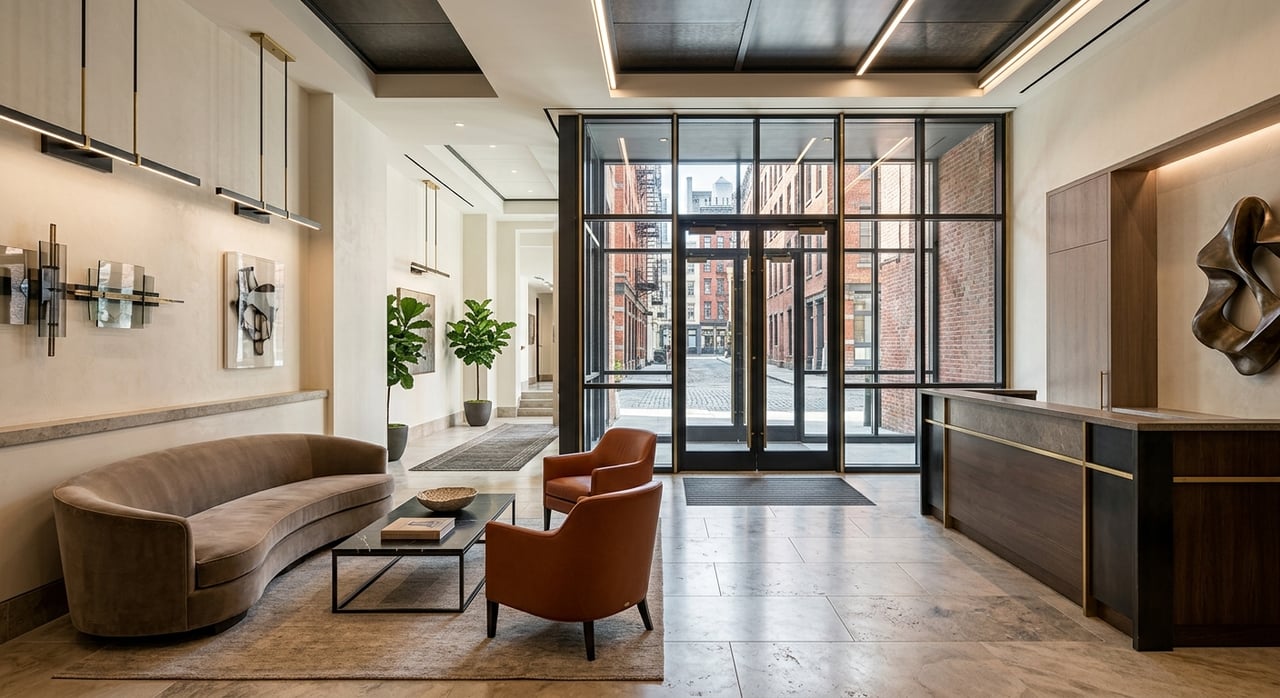
That means your condo search here often includes buildings with front desk staffing, concierge services, valet or garage parking, fitness spaces, resident lounges, and in some cases pools, spa facilities, or private club-style amenities. For many buyers, that service package is the main reason Midtown rises to the top of the list.
Examples commonly associated with Midtown include Millennium Place, Millennium Tower, 45 Province, The Ritz-Carlton Residences, The Parker, Residences at W Boston, and Tremont on the Common. While that list is a market shorthand rather than an official city roster, it reflects the kind of inventory many buyers picture when they think about Midtown living.
Notable Midtown Building Style
Millennium Place shows the area’s amenity-driven profile clearly. The building describes 24-hour private concierge, valet parking, an owners lounge, dining and wine space, a fitness center, screening room, children’s room, garden, and indoor lap pool.
Millennium Tower pushes even further into luxury high-rise living. Its official materials highlight a two-level club, indoor lap pool, club concierge, private dining room, lounge spaces, library, screening room, spa, playroom, and fitness offerings.
45 Province also fits the Midtown pattern, combining residential living with a mixed-use format in the Midtown Cultural District. The Ritz-Carlton residences on Avery Street help define the top end of the market and reinforce Midtown’s reputation for service-rich condo ownership.
Why Buyers Choose Midtown
For many buyers, Midtown is about convenience. Boston.gov describes Downtown as Boston’s hub, with theaters, restaurants, cafes, Boston Common, the Greenway, Dewey Square, and the waterfront all within easy walking distance.
That central location shapes daily life in a big way. You can often step outside and be close to dining, shopping, cultural venues, and public open space without building your day around a car.
If you like an active city lifestyle, Midtown can offer a strong match. The area is especially appealing when you want a home base near Downtown Crossing, Boston Common, and the Theater District, with the option to move easily between work, transit, and social plans.
Walkability In Midtown Boston
Walkability is one of Midtown’s biggest strengths. Downtown Crossing alone sees more than 200,000 workers per day and 250,000 pedestrians moving through Washington, Winter, and Summer Streets, which gives you a sense of how active this part of Boston is.
That density supports the kind of lifestyle many condo buyers want. You are not choosing Midtown for a quiet side-street brownstone feel. You are choosing it because so much of central Boston is close at hand.
Boston Common is another major advantage. Boston.gov calls it America’s oldest park, founded in 1634, and it remains one of the city’s most important public spaces. Having that kind of open space nearby can add real balance to downtown living.
Transit Access Is A Major Plus
Midtown is also a practical choice if transit matters to you. The MBTA subway system includes five primary lines, and Park Street is a key hub with direct connections to the Red, Green, and Orange Lines.
In the central Boston core, nearby stops can include Park Street, Downtown Crossing, and State Street. For buyers who want flexibility, this kind of access can make commuting and everyday travel much easier.
That is one reason Midtown often stands out for owner-occupiers who want to stay connected to several parts of Boston without relying heavily on a car. Even if you value parking or valet service, strong rail access still adds convenience and long-term appeal.
Midtown Vs Back Bay
Back Bay and Midtown may be close to each other, but they offer different living experiences. Boston.gov describes Back Bay as a protected historic district with major streets like Newbury, Boylston, and Commonwealth Avenue, along with landmarks such as the Prudential Center, Trinity Church, and the Boston Public Library.
If Back Bay feels more formal, architectural, and historic, Midtown feels more vertical and service-oriented. In Midtown, the draw is often a modern or luxury tower experience with concierge services and immediate access to the downtown core.
If you picture yourself in a high-rise with building amenities, Midtown may feel more aligned with your goals. If you prefer historic surroundings and a traditional neighborhood fabric, Back Bay may be the more natural comparison.
Midtown Vs South End
The South End offers a more residential identity. The city describes it as a cosmopolitan neighborhood with Victorian brownstones, nearly 30 parks, an arts scene, and notable dining corridors such as Tremont Street Restaurant Row and Shawmut Avenue.
Compared with that setting, Midtown feels less brownstone-based and more centered on larger condo buildings. Buyers choosing between the two often weigh service and centrality against residential character and a different street experience.
If you want a condo with concierge features and direct access to Downtown’s energy, Midtown may win. If you want a neighborhood known for rowhouses, parks, and a more residential street pattern, the South End may stay high on your list.
Midtown Vs Bay Village
Bay Village is another common comparison, especially for buyers who want to stay close to the Theater District. Boston.gov describes Bay Village as a brick rowhouse oasis with tree-lined streets, restaurants, shops, and close ties to nearby cultural attractions.
That makes Bay Village feel smaller and more intimate than Midtown. Midtown, by contrast, offers a more tower-based lifestyle and typically a greater concentration of building services and amenities.
For some buyers, Bay Village offers charm and scale. For others, Midtown offers convenience, security features, and a more lock-and-leave style of ownership.
Who Midtown Boston Condos Suit Best
Midtown is often a strong fit if you want full-service condo living in a highly central location. Buyers drawn to the area are often looking for convenience, walkability, transit access, and a building with a more managed residential experience.
You may want to prioritize Midtown if these features matter most to you:
- Concierge or front desk service
- Garage or valet parking
- On-site fitness or club amenities
- Close access to Boston Common
- Easy access to Downtown Crossing
- Strong MBTA connections
- A home that supports a lock-and-leave lifestyle
Midtown may be less appealing if you want a classic brownstone setting, a quieter street grid, or a neighborhood defined more by low-rise historic housing. In that case, your search may naturally expand toward Back Bay, South End, or Bay Village.
What To Keep In Mind During Your Search
Because Midtown sits in a central, overlapping part of Boston, condo searches can blur neighborhood labels. A listing may be marketed in a way that emphasizes Back Bay proximity, Theater District access, or downtown convenience, even when the real value comes from Midtown’s building style and location.
That is why it helps to look beyond the label and focus on your day-to-day priorities. Ask yourself whether you care most about building amenities, transit access, nearby open space, service levels, or a more historic residential feel.
In a market like Boston, those details shape your experience as much as the address itself. A well-matched building can matter just as much as the neighborhood name on the listing sheet.
If you are comparing Midtown condos with options in Back Bay, South End, or other nearby Boston neighborhoods, working with a boutique team that understands condo inventory, building differences, and buyer priorities can help you move with more confidence. For tailored guidance on Midtown and nearby premium Boston condo markets, connect with Jack Rooney.
FAQs
Is Midtown Boston the same as Back Bay?
- No. Midtown is better understood as a downtown-core condo district, while Back Bay is a protected historic district with a more traditional neighborhood fabric.
Is 02115 considered Midtown Boston?
- Not usually. Boston.gov identifies 02115 with Fenway-Kenmore, so Midtown is better described as an adjacent central Boston market area rather than a 02115-only neighborhood.
What type of condos are common in Midtown Boston?
- Midtown is known for full-service condo towers with features like concierge service, valet or garage parking, fitness spaces, lounges, and in some buildings pools or spa-style amenities.
Is Midtown Boston walkable for daily errands and entertainment?
- Yes. Midtown benefits from Downtown Boston’s pedestrian core, with theaters, restaurants, cafes, Boston Common, and other central destinations within easy walking distance.
What MBTA access do Midtown Boston condo owners have?
- Midtown buyers often benefit from access to nearby central Boston stations such as Park Street, Downtown Crossing, and State Street, with Park Street serving as a major MBTA connection point.
How does Midtown Boston compare with the South End or Bay Village?
- Midtown is generally more tower-based and service-oriented, while the South End and Bay Village offer more traditional residential streetscapes with brownstones or rowhouses and a different neighborhood feel.