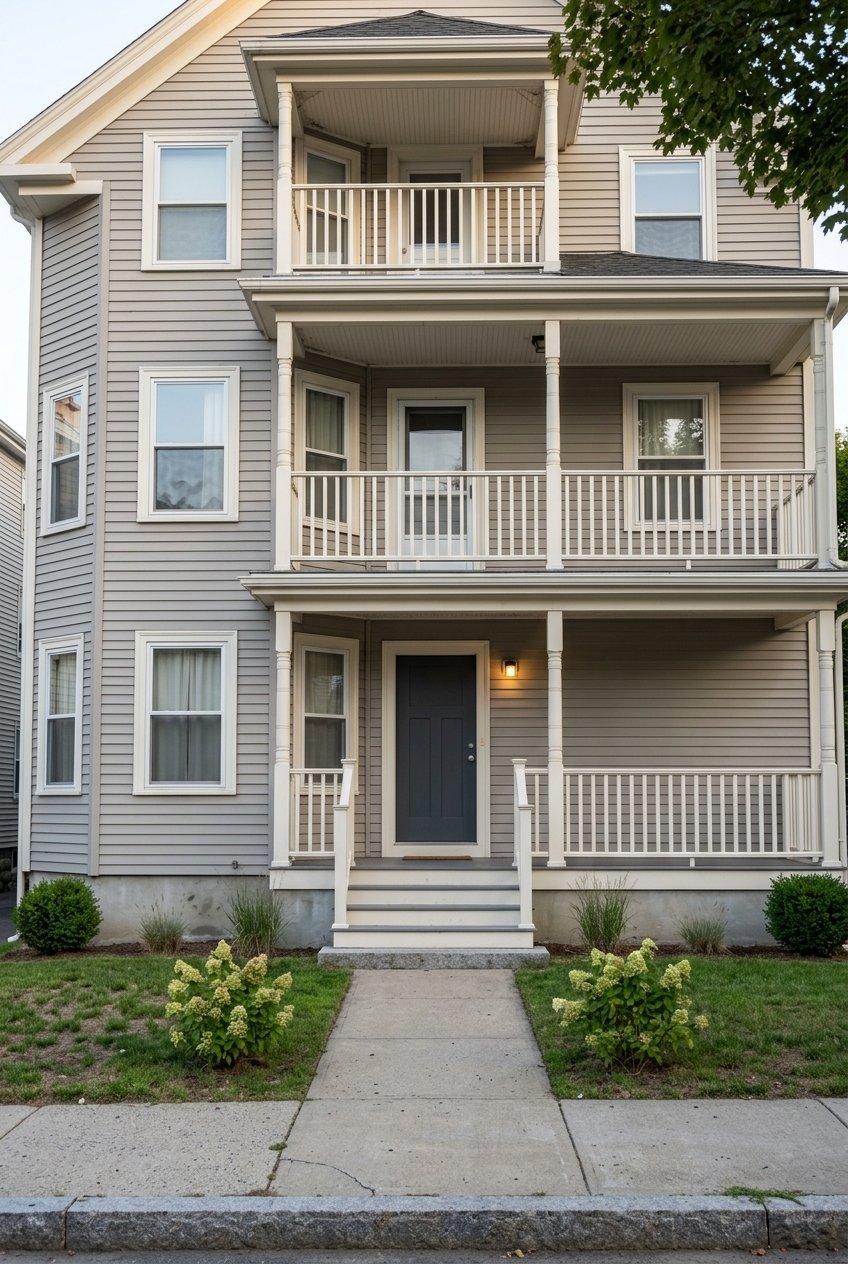
If you are thinking about buying a multi-unit in Dorchester, you are looking at one of Boston’s most established small multifamily markets. That can be exciting, but it can also feel hard to read if you are trying to balance rent potential, building condition, and long-term upside. This guide will help you understand what makes Dorchester different, what to watch for in older properties, and how to evaluate deals with more confidence. Let’s dive in.
Why Dorchester draws investors
Dorchester is Boston’s largest neighborhood, with 123,056 residents and 49,565 housing units in 2025. It also has a renter-occupied share of 61.6%, which matters if your investment thesis depends on steady rental demand rather than quick resale gains.
This is not a market that needs a big growth story to make sense. BPDA projects population growth to slow to about 0.3% annually through 2035, even with net new housing added from 2020 to 2025. For you as an investor, that points to a more mature market where location, layout, legal use, and condition tend to matter more than speculation.
Dorchester housing stock basics
Triple-deckers shape the market
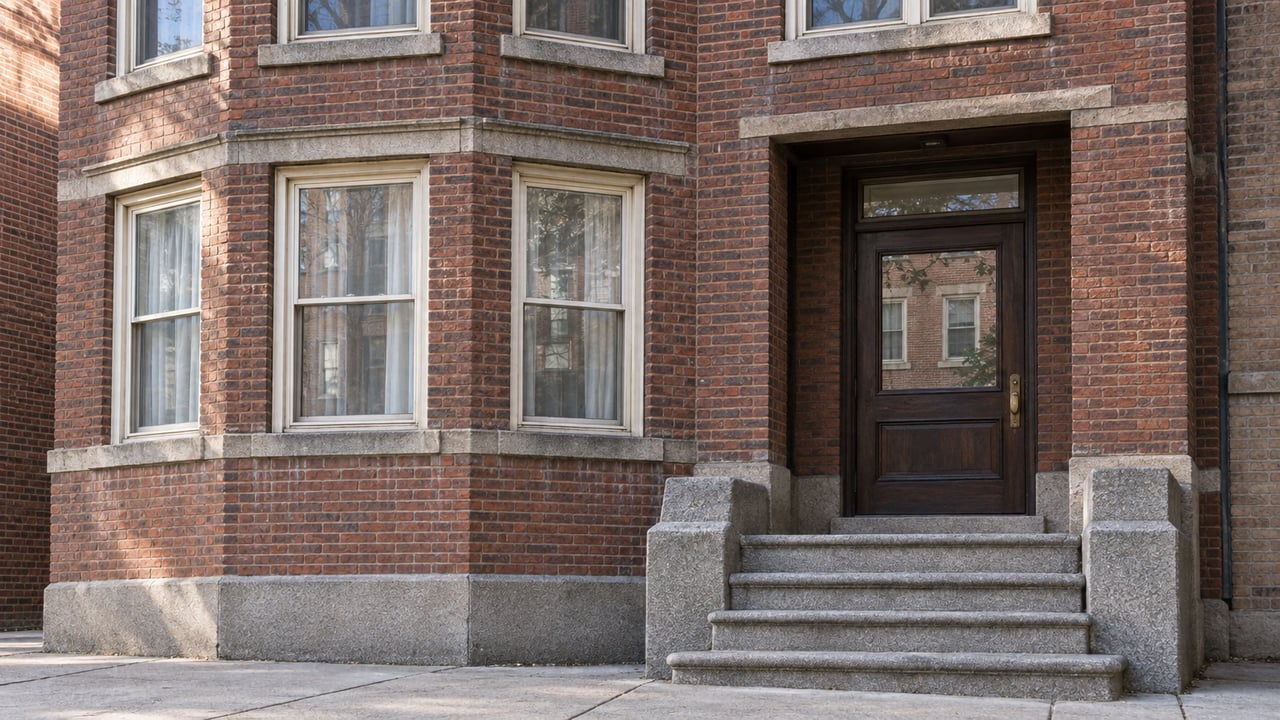
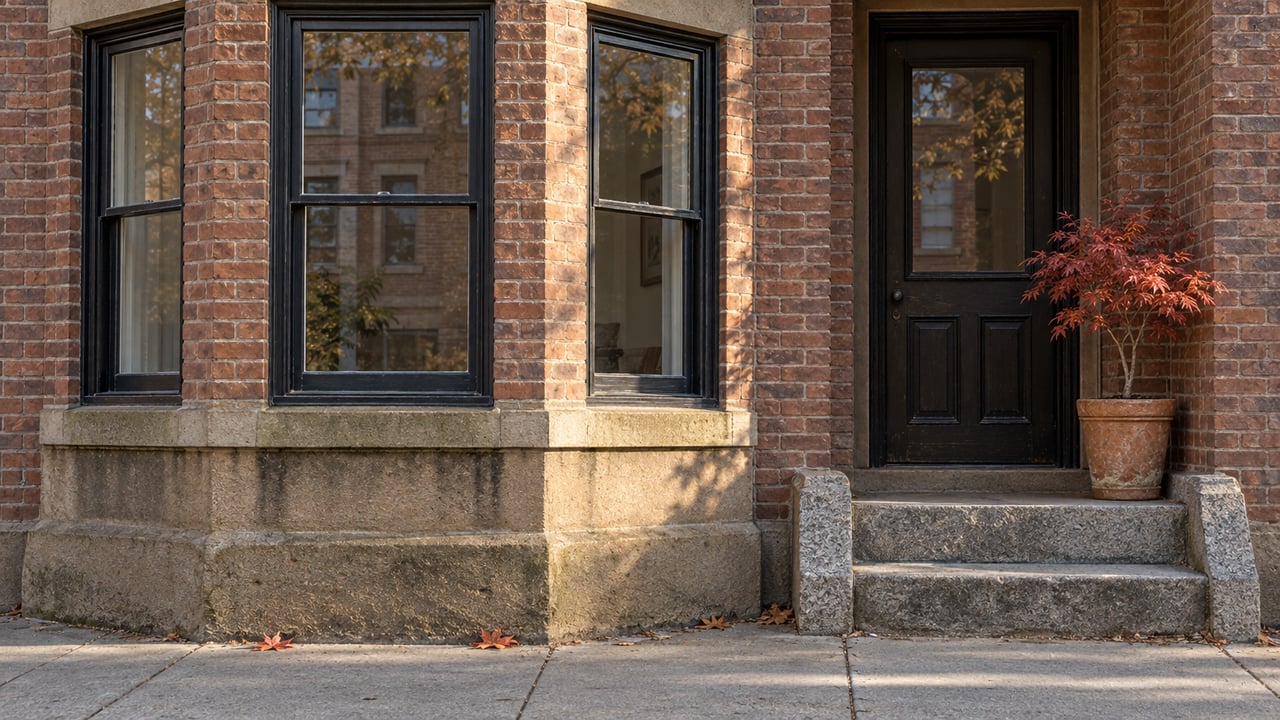
Dorchester is closely tied to the triple-decker, one of Boston’s defining housing types. Boston’s neighborhood materials note that Dorchester has many triple-deckers, and official zoning maps include subdistricts tied to three-family and triple-decker housing.
That matters because your typical opportunity here is often an older, human-scale building rather than a large redevelopment play. In practice, many buyers are evaluating existing two-family and three-family properties with real operating history, aging systems, and potential for thoughtful updates.
Older buildings need sharper underwriting
Older small multifamily stock can offer strong value, but it usually asks more from you during due diligence. Triple-decker retrofits can be expensive, so you want to focus on the building envelope, major systems, and common areas, not just the kitchen finishes or staged photos.
A property that looks fine at first glance may still need serious capital work. Roof condition, siding or exterior maintenance, heating systems, windows, and basement moisture can all affect your real returns.
What tenant demand looks like
Think in terms of use
In Dorchester, it helps to think about renter demand by how households use space. The neighborhood has a meaningful share of larger units, with 50.0% of housing units offering 3 or more bedrooms and 34.2% offering 2 bedrooms.
That layout mix supports demand from households that need more room, shared living setups, and renters looking for flexible spaces near transit and neighborhood services. It is one reason unit layout can matter almost as much as the block itself.
Transit supports rental appeal
Transit access is part of Dorchester’s staying power. The Red Line Ashmont branch runs through Dorchester, and the Mattapan Trolley connects from Ashmont to Mattapan. Dorchester’s 2025 profile also shows that 27.0% of resident workers use public transit to commute and 27.3% of households have no vehicle.
For you, that means properties near established transit connections may appeal to renters who want a car-light lifestyle. It also helps explain why practical, well-located apartments often stay relevant even in a steadier-growth neighborhood.
Local job anchors matter
Dorchester also benefits from major neighborhood anchors and nearby employment. BPDA identifies places like Dorchester Avenue, Fields Corner, Uphams Corner, Ashmont Station, Neponset Circle, Adams Village, and Morrissey Boulevard as important commercial anchors, and UMass Boston is a major tenant in the area.
The neighborhood payroll base also includes large shares in health care and social assistance at 23.1% and educational services at 17.0%. That supports rental demand from households who want to live near work, transit, and daily needs.
What rents tell you
Dorchester’s official 2024 median asking rent for a market-rate 2-bedroom was $2,800. That is a useful benchmark, but it should be your starting point, not your full analysis.
You still need to study the actual rent roll, unit sizes, bedroom counts, utility setup, and turnover history. A strong-looking asking rent number does not replace property-specific underwriting.
How to evaluate a Dorchester deal
Start with legal use and zoning
Before you underwrite upside, confirm what the property legally is. Boston advises buyers to verify zoning district, subdistrict, and overlays through the city’s zoning tools, and the signed code maps control if there is a discrepancy. Inspectional Services also notes that occupancy is the city’s official record of how a property is being used.
This step is especially important in Dorchester because the zoning map includes multiple residential subdistricts and overlay layers. You do not want to assume a building functions as a three-family investment property if the legal setup says something else.
Check overlays and flood exposure
Some Dorchester parcels may also fall under design or flood-related overlays. The official zoning map includes the Neighborhood Design Overlay District and the Coastal Flood Resilience Overlay District.
If you are looking near shoreline areas, this can affect feasibility, improvements, and long-term planning. Parcel-level review matters here because general neighborhood assumptions are not enough.
Underwrite condition honestly
Many Dorchester multifamilies are older buildings, and older buildings can hide expensive issues. Your inspection and underwriting should account for structural wear, deferred maintenance, and system life rather than assuming a light cosmetic plan will get the job done.
This is where disciplined buyers often separate themselves from hopeful buyers. A deal with manageable repairs and a clean legal setup can outperform a prettier building with deeper hidden costs.
Review lead compliance risk
Lead paint rules are a major point to review in Massachusetts. In homes built before 1978, lead-safe compliance is required when children under 6 live there, and the owner of a rental property is responsible for removing or covering lead hazards and completing required notifications.
For you, this means older Dorchester rentals need careful review during diligence. Even if the building has strong income potential, compliance costs and responsibilities need to be built into your numbers.
Build your numbers from the rent roll up
A neighborhood rent benchmark is helpful, but the property’s income story is what counts. You should test current rents, vacancy assumptions, taxes, insurance, utility splits, and reserve needs based on the actual asset.
Because 61.6% of Dorchester housing units are renter-occupied, rental performance is central to value. The better your income and expense model, the better your chances of buying well.
Owner-occupant investing angles
If you plan to live in one unit, Dorchester can offer a practical entry into multifamily ownership. Boston currently allows an internal ADU in eligible owner-occupied 1-, 2-, and 3-family homes, while condos and LLCs are ineligible under current city guidance and external ADUs are not generally allowed in the standard Boston code.
That does not mean every property can support this option. You still need to confirm zoning, occupancy, and physical feasibility before treating an ADU as part of your plan.
What a strong Dorchester deal often looks like
In a market like this, the best opportunities are not always the flashiest ones. A strong Dorchester multi-unit often has a clean legal setup, flexible 2-bedroom or 3-bedroom layouts, transit-connected positioning, and deferred maintenance that is real but manageable.
That is a different profile from a speculative redevelopment bet. In Dorchester, stable demand and careful execution usually matter more than chasing a dramatic transformation story.
Common mistakes first-time investors make
Overvaluing cosmetic upgrades
Fresh paint and updated counters can make a listing feel turnkey. But in older small multifamily buildings, cosmetic work should never distract you from systems, exterior condition, and compliance.
Assuming all three-unit buildings are equal
Dorchester has many triple-deckers, but each one needs its own review. Legal occupancy, zoning overlays, layout efficiency, and capital needs can vary widely from one property to the next.
Using neighborhood averages too loosely
The median asking rent for a 2-bedroom helps frame the market, but averages do not collect your rent or pay for repairs. You need to know what this building can earn and what this building will cost.
Why local guidance matters
Buying a Dorchester multi-unit is not just about finding a listing that pencils on the surface. It is about understanding how Boston zoning, occupancy records, older building stock, and transit-driven renter demand work together on a specific parcel.
That is where experienced local guidance can save you time and protect your downside. When you are comparing a few blocks, a few unit layouts, or a few renovation scenarios, neighborhood-level knowledge becomes a real advantage.
If you are weighing a Dorchester multifamily purchase and want practical guidance on value, layout, and deal fit, reach out to Jack Rooney for a consultation.
FAQs
What makes Dorchester attractive for multi-unit investing?
- Dorchester has a 61.6% renter-occupied housing base, a large supply of 2-bedroom and 3-bedroom units, strong transit access, and established commercial and employment anchors that support steady rental demand.
What type of multifamily buildings are common in Dorchester?
- Dorchester is known for older small multifamily properties, especially triple-deckers, along with other two-family and three-family homes that often require careful review of condition and legal use.
What rent benchmark should investors use in Dorchester?
- A useful starting point is the official 2024 median asking rent of $2,800 for a market-rate 2-bedroom, but you should underwrite each property based on its actual rent roll, expenses, and unit mix.
What should buyers verify before buying a Dorchester multi-unit?
- You should confirm zoning, subdistrict, overlays, legal occupancy, building condition, rent roll details, and any lead compliance responsibilities before finalizing your investment plan.
Can an owner-occupant add an ADU in a Dorchester multifamily home?
- Boston currently allows an internal ADU in eligible owner-occupied 1-, 2-, and 3-family homes, but you need to confirm zoning, occupancy, and building feasibility for the specific property.
Why is property condition such a big issue in Dorchester multifamilies?
- Much of the housing stock is older, so costs tied to the roof, envelope, systems, common areas, and compliance can have a major effect on your returns if you do not account for them upfront.