Buying a condo in South Boston can feel like a race against the clock. You may find a place you love, only to learn that timing, financing, and condo document review matter just as much as the unit itself. If you want to compete with confidence, it helps to understand how this market works before you start touring. Let’s dive in.
Why South Boston Stays Competitive
South Boston continues to draw steady buyer interest for good reason. Boston.gov describes South Boston as a neighborhood with a strong sense of history and tradition, along with beaches, a waterfront, and a busy commercial core.
That appeal shows up in pricing. Recent market snapshots from Redfin’s South Boston condo data put the median condo listing price around $1.1 million, while a broader neighborhood snapshot showed a $1.05 million median sale price and about 50 days on market. The exact number can vary by source and date, but the bigger point is clear: South Boston is a premium condo market.
What Buyers Can Expect by Price Point
Not every South Boston condo looks or lives the same. Pricing can shift a lot depending on the subarea, the building type, and whether the unit is a newer development or part of an older conversion.
Recent condo snapshots show a rough price ladder within South Boston. City Point condo listings have recently tracked lower than other pockets, while Telegraph Hill has hovered closer to the $1 million range and the waterfront has been higher.
In practical terms, you will usually see two broad product types:
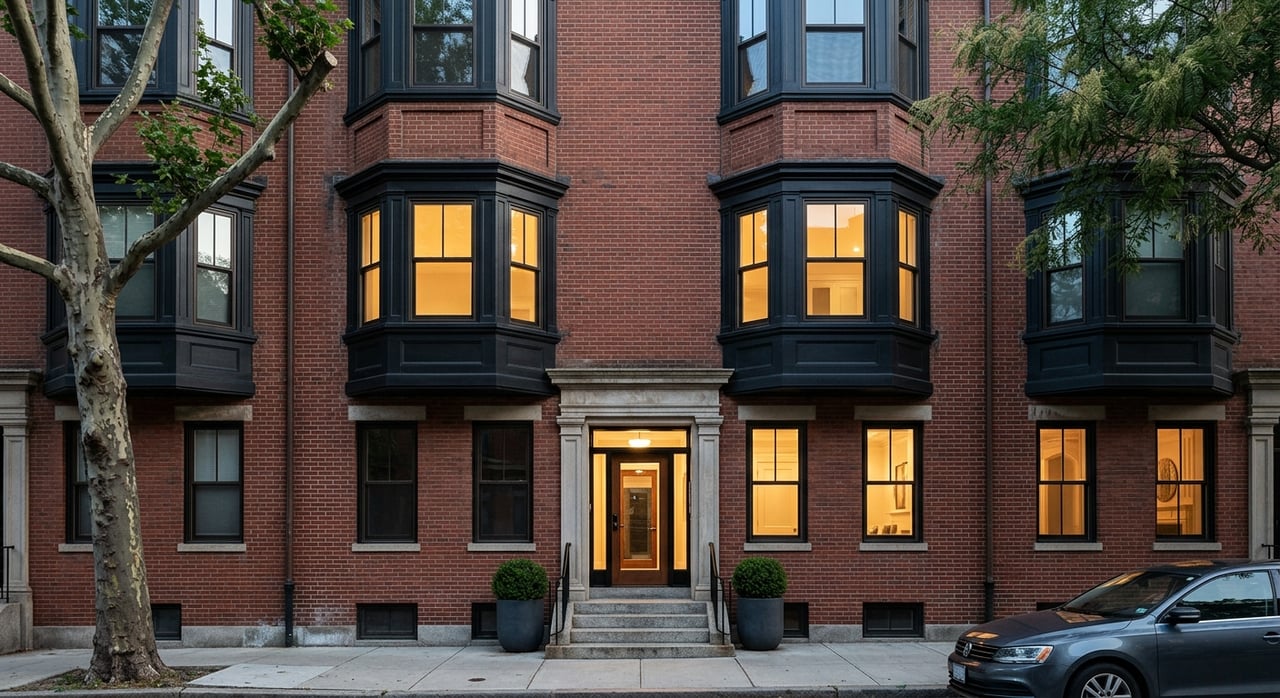
- Older condo conversions, often in traditional triple-deckers
- Newer buildings, which may offer elevators, garage parking, and newer finishes
Older conversions may offer more character and sometimes more space for the price. Newer buildings often compete on convenience, layout, finish quality, and parking.
Get Ready Before You Tour
In a competitive market, the strongest offers are often prepared before the showing is even over. That does not mean rushing blindly. It means doing your homework early so you can move quickly without losing control of the process.
Before you start making offers, try to have these pieces in place:
- A current mortgage preapproval
- A clear comfort level on monthly payment, cash to close, and post-closing reserves
- A short list of non-negotiables, such as parking, pet rules, outdoor space, or rental flexibility
- A lender and attorney who can respond quickly
- A buyer’s agent who knows South Boston condo inventory and pricing patterns
This preparation matters because condo purchases involve both the unit and the association behind it. If either side has issues, your financing or future resale may be affected.
Know Your Cash Needs Beyond Down Payment
One of the most common condo-buyer surprises is how much cash you may need beyond your down payment. The exact amount depends on your loan, the building, and your closing costs, but you should expect more than just the percentage you plan to put down.
You may need cash for:
- Earnest money deposits
- Closing costs
- Prepaid taxes and insurance
- Initial condo fees or move-related building charges
- Attorney review and transaction costs
- Potential immediate repairs, updates, or reserves after closing
You also want a financial cushion in case the condo association is planning a special assessment or if ownership costs run higher than expected in the first few months.
Understand Warrantable Condo Risk
If you are using financing, one of the most important condo terms to understand is warrantable. In simple terms, lenders want to know whether the condo project meets standards that make the loan eligible for sale on the secondary market.
According to Fannie Mae’s condo buying guidance, lenders review factors such as the project’s physical condition, financial stability, unresolved structural debt, evacuation orders, litigation, and inspection status. If a condo project does not meet those requirements, the mortgage may not be eligible for sale to Fannie Mae.
For you, that means a beautiful unit can still become a financing problem if the association has weak reserves, unresolved building issues, insurance gaps, or legal complications. This is one reason local guidance matters so much in South Boston, especially in smaller associations and older conversions.
Review Condo Documents Carefully
A condo purchase is not just about cabinets, square footage, and sunlight. You are also buying into a legal and financial structure, and that deserves close review.
Mass.gov explains that the Commonwealth does not have jurisdiction or regulatory oversight over condominiums, and questions involving condo law, trust documents, governance, or owner rights should be directed to a real estate attorney.
That makes document review especially important. Your review should typically include:
- Master deed
- Bylaws
- Budget
- Reserve fund information
- Meeting minutes
- Master insurance policy
- Parking rights
- Rental rules
- Pet rules
- Any pending or possible special assessments
In South Boston, this matters even more in smaller buildings. A low reserve balance, deferred maintenance, or unclear responsibility for repairs can affect financing, monthly costs, and resale value.
Think Carefully About Contingencies
In a fast market, buyers often ask whether they should waive contingencies to make their offer stronger. The honest answer is that there is no one-size-fits-all rule.
What matters is understanding the risk you are taking. A stronger offer can help you compete, but waiving protections without fully understanding the condo association, financing path, or property condition can create bigger problems later.
Here is a simple way to think about common contingencies:
| Contingency | Why it matters |
|---|---|
| Financing contingency | Protects you if your loan cannot be approved or funded |
| Inspection contingency | Helps you evaluate condition issues within the unit or visible concerns |
| Condo document contingency | Gives you time to review the association’s financial and legal documents |
Fannie Mae notes that buyers often have only a limited time to review condo documents after an offer is accepted. That is why speed and preparation go hand in hand. If you are considering a more aggressive offer strategy, you need your agent, lender, and attorney aligned before you submit.
Watch HOA Fees and Special Assessments
It is easy to focus on the purchase price and overlook the full monthly cost of ownership. Condo fees can shape your affordability just as much as your mortgage payment.
A higher HOA fee is not automatically bad. In some buildings, it may reflect more services, stronger reserves, or building systems that are expensive to maintain. The key is understanding what the fee covers and whether the association appears financially healthy.
Pay close attention to:
- What the monthly fee includes
- Whether reserve funds appear adequate
- Whether major repairs are coming up
- Whether there have been recent fee increases
- Whether a special assessment is pending or likely
A lower fee can look attractive at first, but it may also signal underfunded reserves or delayed maintenance. In older South Boston conversions, that tradeoff deserves close review.
Move Fast, But Use the Right Team
Buying a condo in South Boston is easier when your team is in place early. In a market where good units can move quickly, you do not want to be searching for a lender or attorney after you have found the right property.
Your lender helps you understand your buying power and key loan deadlines. The Consumer Financial Protection Bureau explains that borrowers receive a Loan Estimate to compare loan offers and a Closing Disclosure with three business days to review before closing. Those steps are easier to manage when your financing team is already organized and responsive.
Your attorney helps you evaluate the condo documents and legal structure of the association. In Massachusetts, that role is especially important because condo governance questions are not handled through a state oversight body.
Your South Boston agent helps you judge whether a unit is priced realistically, whether the building raises financing questions, and how aggressive your offer needs to be in the current market.
A Smart South Boston Condo Plan
If you want a practical roadmap, keep it simple. The buyers who tend to do best in South Boston are the ones who prepare early, stay realistic about pricing, and look closely at both the unit and the building.
A smart plan usually looks like this:
- Get preapproved before you start touring.
- Set a true monthly budget, not just a purchase-price ceiling.
- Decide which features are must-haves and which are flexible.
- Review each building’s fees, reserves, and rules carefully.
- Move quickly when the right condo appears.
- Lean on your lender, attorney, and agent before making a risky offer.
If you are planning to buy in South Boston, the goal is not just to win a condo. It is to buy the right condo on terms that still make sense for you long after closing. If you want local guidance from a brokerage that knows this market block by block, connect with Jack Rooney for a consultation.
FAQs
How much cash do you need beyond the down payment for a South Boston condo?
- You should plan for earnest money, closing costs, prepaid items, attorney-related costs, possible move-in charges, and a reserve cushion in addition to your down payment.
Should you waive inspection, financing, or condo-document contingencies on a South Boston condo?
- You should only consider adjusting contingencies after you understand the risks, your financing strength, and the condo association’s documents, with guidance from your agent, lender, and attorney.
What does warrantable mean for a South Boston condo loan?
- A warrantable condo generally meets lender and secondary-market standards related to the project’s financial condition, legal status, insurance, and physical condition.
How do HOA fees and reserves affect a South Boston condo offer?
- HOA fees and reserve levels affect your monthly affordability, the association’s financial health, and the chance of future special assessments, which can all influence how attractive a condo really is.
When should you involve a South Boston agent, lender, and attorney in the condo-buying process?
- Ideally, you should involve all three before you begin making offers so you can move quickly, review documents on time, and avoid preventable financing or legal issues.