Ever wonder whether living in a Back Bay brownstone feels as cinematic as it looks from the sidewalk? In many ways, it does, but the day-to-day reality is more nuanced than the postcard version. If you are thinking about buying in Back Bay, this guide will help you understand the rhythm of brownstone living, from historic character and walkability to the rules and responsibilities that come with ownership. Let’s dive in.
Back Bay has a distinct feel
Back Bay does not read like an accidental city neighborhood. It was created from filled tidal flats in the mid-19th century, with more than 450 acres of usable land established by the 1880s, and it was planned as a fashionable residential district influenced by Paris. That history still shows up in the neighborhood’s orderly layout, formal streetscape, and consistent architecture.
You feel that structure almost immediately when you walk the neighborhood. Commonwealth Avenue Mall acts as a 32-acre green spine through Back Bay, while Newbury Street, Boylston Street, and Commonwealth Avenue shape much of daily activity. The result is a neighborhood that feels both elegant and highly usable.
Back Bay is also defined by major Boston landmarks that are woven into everyday life. The Prudential Center, John Hancock Tower, Trinity Church, and Boston Public Library are not separate destinations on a map. They are part of the backdrop of living here.
Brownstone living starts with the streetscape
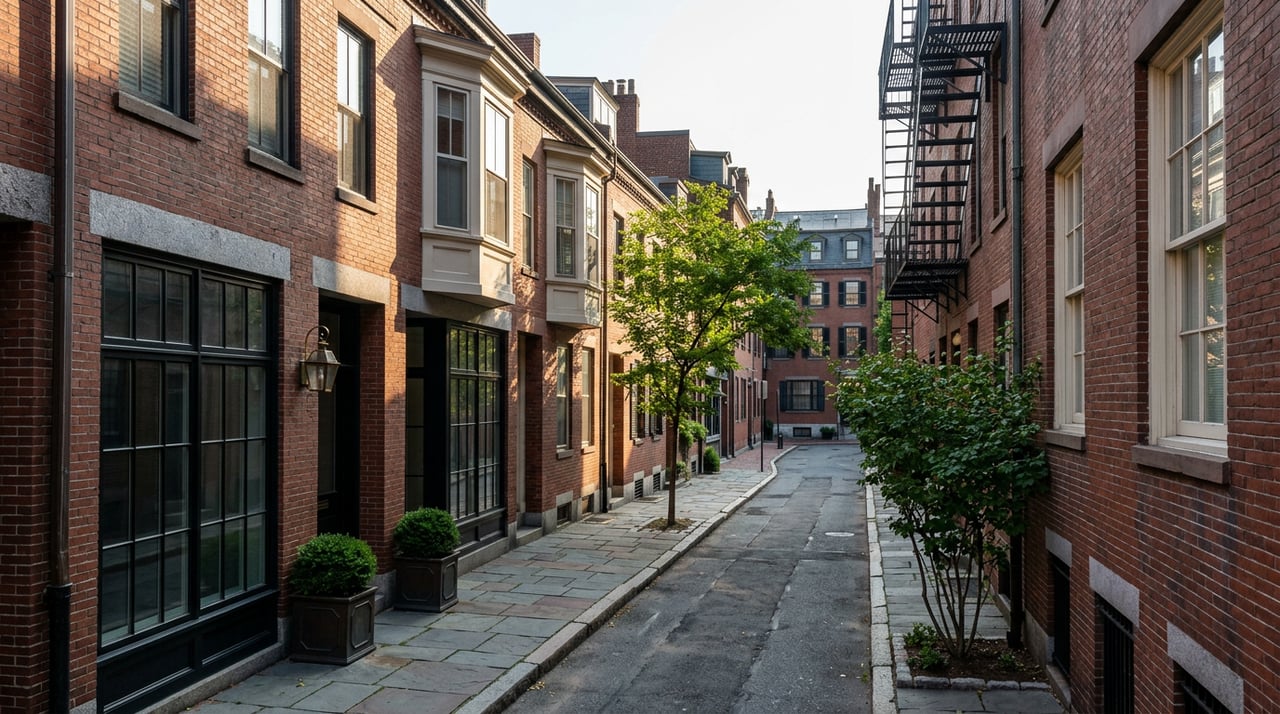
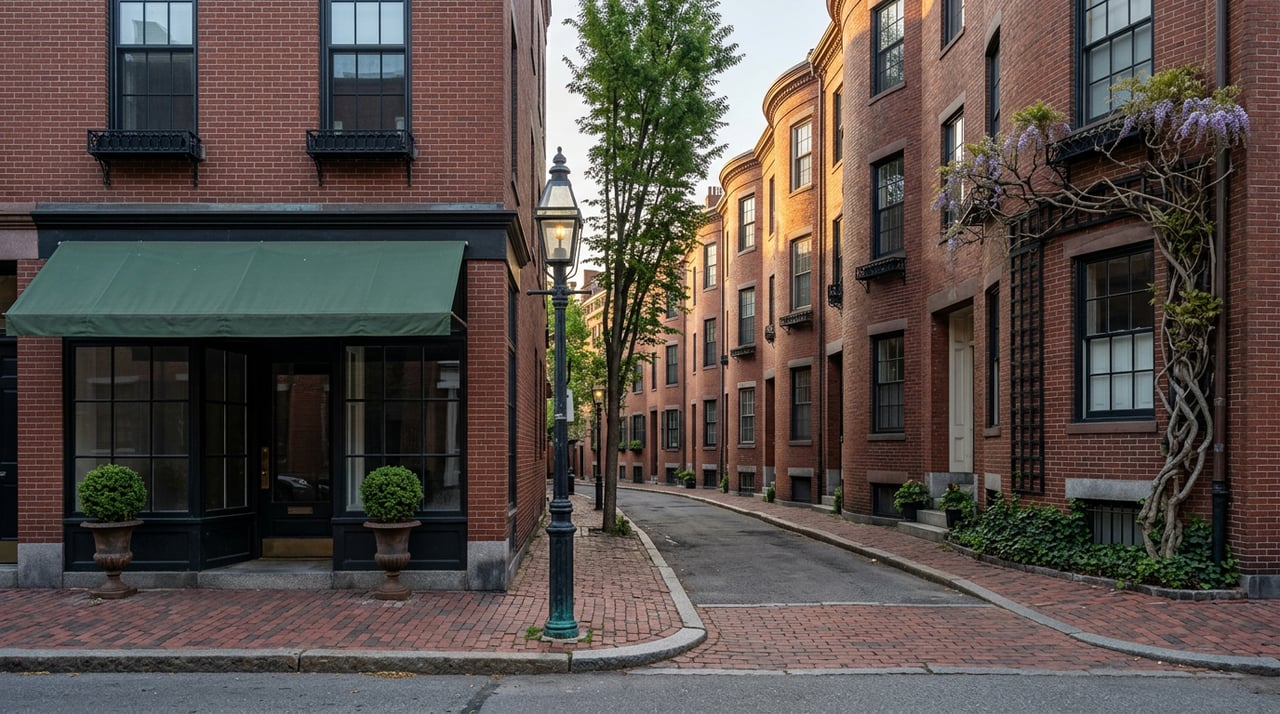
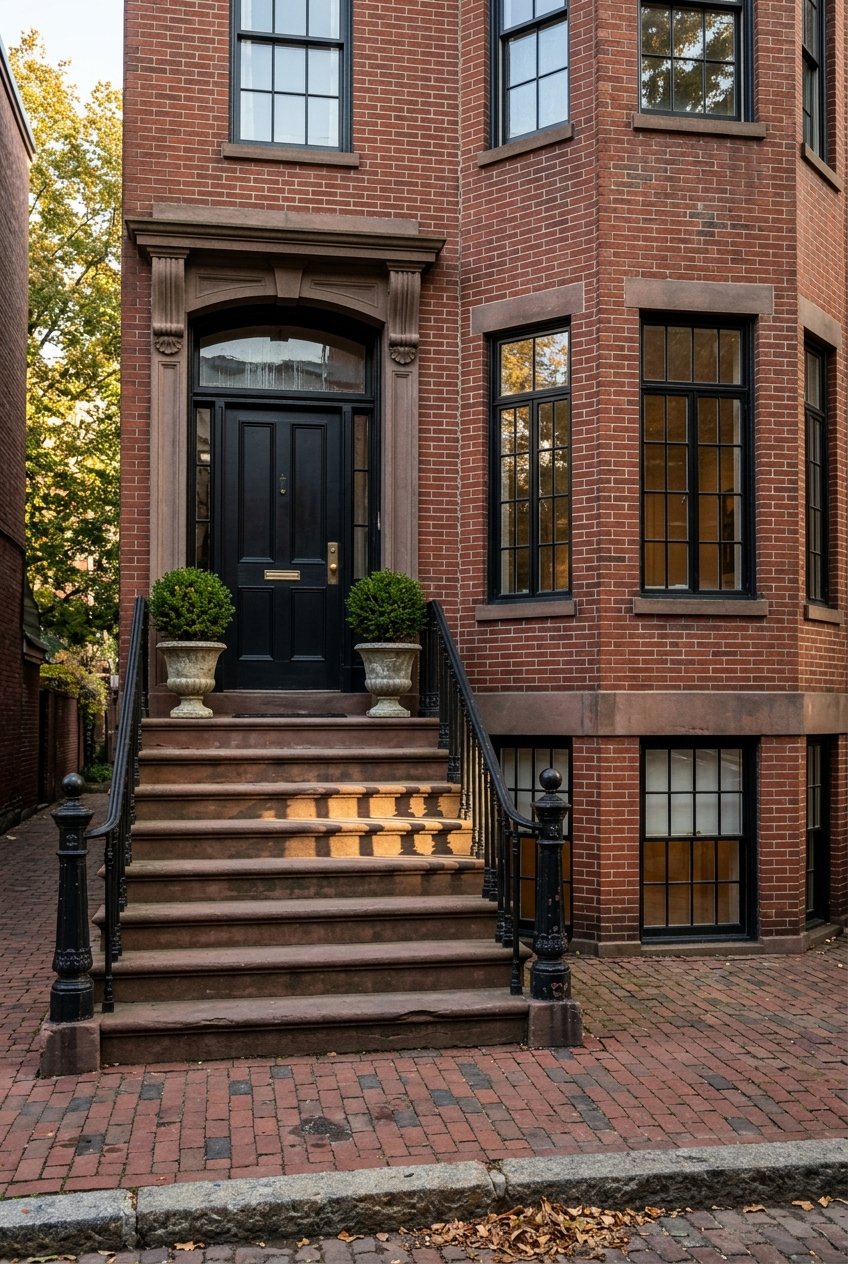
One of the biggest draws of a Back Bay brownstone is how intact the neighborhood feels from the street. The Back Bay Architectural District is known for its consistent form and scale, with regular cornice lines, repeated projection bays, oriel windows, entry stoops, and front steps. That visual rhythm is a big reason the blocks feel so cohesive.
When you live in a brownstone here, you are not just buying square footage. You are buying into a preserved architectural setting that has strong rules around how buildings look and age over time. For many buyers, that is exactly the appeal.
There is a certain pride that comes with that kind of setting. Your front door opens onto blocks that feel established, recognizable, and unmistakably Boston. That can make even a simple walk for coffee or groceries feel a little more memorable.
What daily life feels like inside and outside
Living in a Back Bay brownstone often means balancing historic character with modern needs. On the outside, buildings are expected to retain and repair original materials and details whenever possible, rather than replace them with something new or visually different. That helps preserve the district’s look, but it also means ownership can come with a preservation mindset.
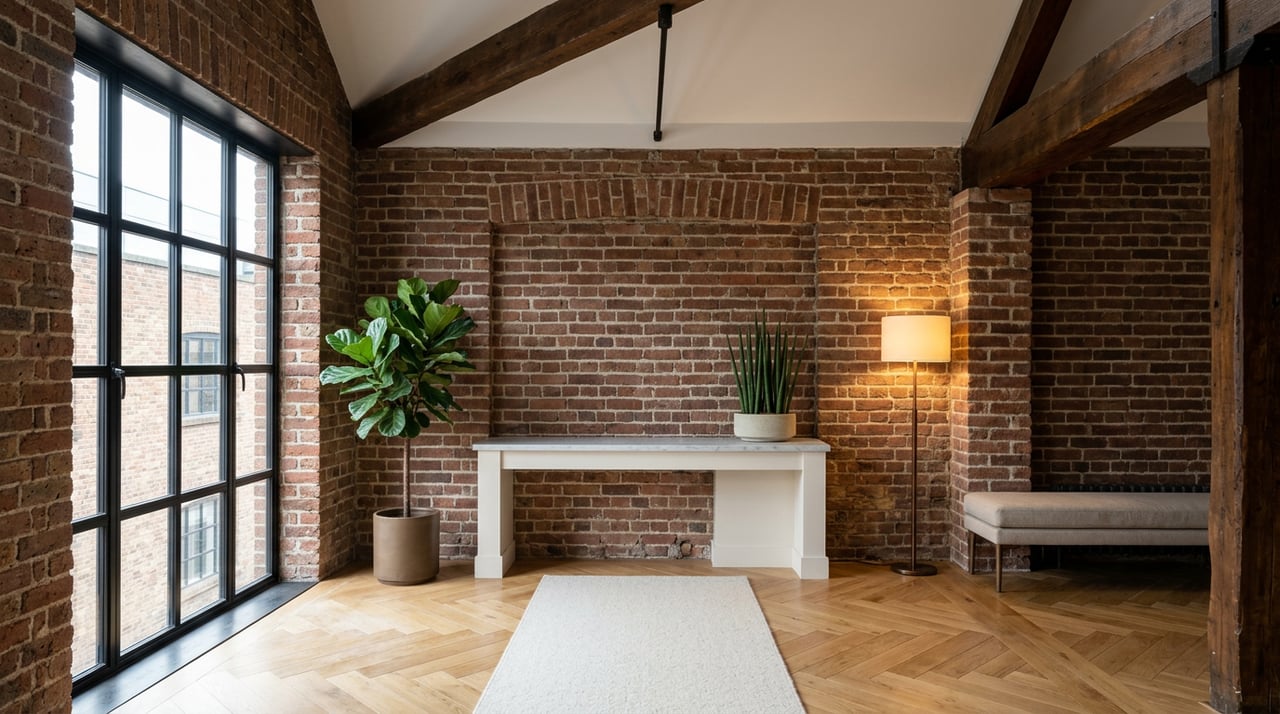
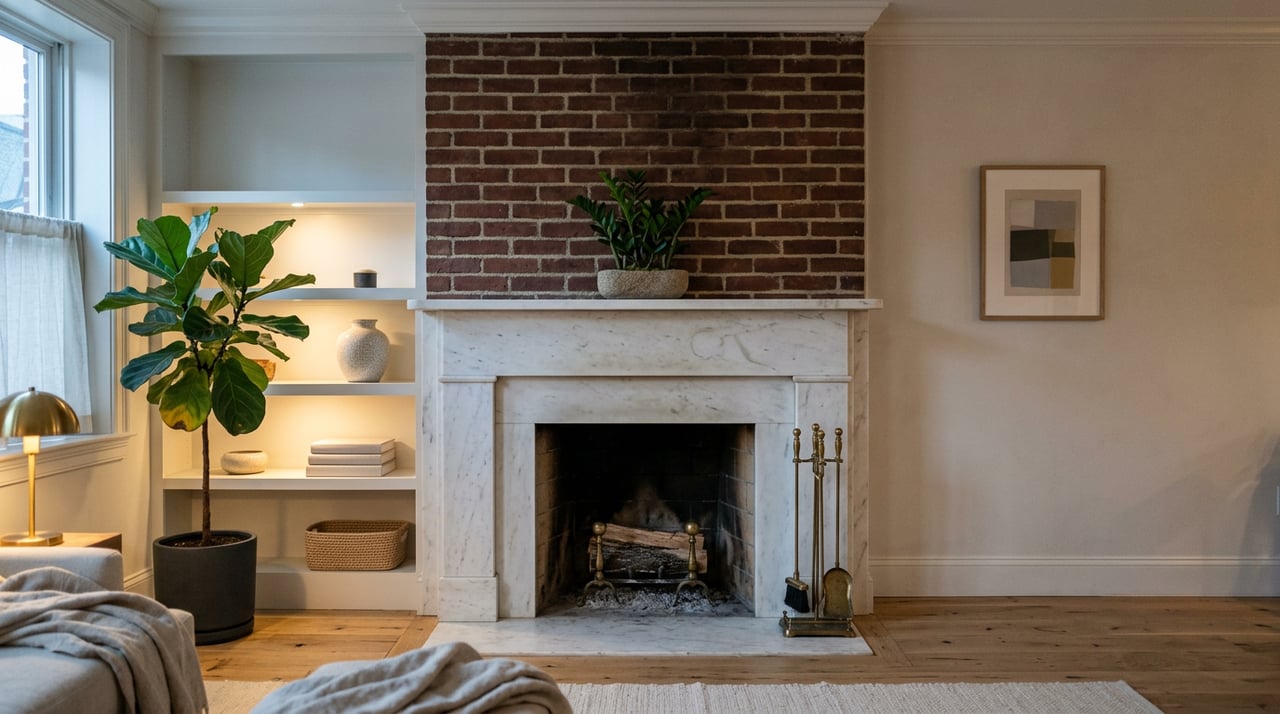
On the inside, the experience is often more contemporary than people expect. Modern systems can exist within these historic buildings, but visible exterior changes are meant to stay quiet. Rooftop mechanical equipment should be minimized, roof decks must remain low-profile, and even seasonal window air conditioners are allowed only under specific guidelines from May through September.
That combination creates a very specific lifestyle. You get the charm of a historic shell, but you also live with practical boundaries designed to protect the block as a whole. If you value architectural continuity, this tends to feel reassuring rather than restrictive.
Condo ownership has shared responsibilities
Many Back Bay brownstones are owned as condominiums, and that matters more than some buyers realize. In the district’s guidelines, condominium and multiple-ownership properties are treated as whole buildings for review. In practice, that means exterior decisions involving the façade, stoops, roof elements, windows, or doors are often not purely individual choices.
If you are considering a brownstone condo, it helps to think beyond your unit. Shared building elements are part of the ownership experience, and exterior updates often involve collective decision-making. That can be a benefit if you want consistency and long-term stewardship, but it is important to understand before you buy.
This is one reason brownstone condo purchases benefit from neighborhood-specific guidance. The appeal is real, but so are the details. Understanding how shared ownership works in a historic district can help you make a more confident decision.
Walkability is a major part of the appeal
Back Bay brownstone living is not just about architecture. It is also about how easy the neighborhood is to use on foot. The city describes the area’s main streets as home to unique shops, trendy restaurants, and vintage homes, and that mix of residential blocks with active commercial streets gives the neighborhood much of its energy.
Newbury Street and Boylston Street are especially important to daily life. Commercial development grew on Boylston Street around 1880 and on Newbury Street in the early 20th century, sometimes by adapting existing row houses. That helps explain why Back Bay feels layered rather than separated into strict residential and retail zones.
For many residents, this means errands do not have to feel like errands. A pharmacy run, lunch stop, or quick shopping trip can fit into a walk through one of Boston’s most recognizable neighborhoods. That kind of convenience is a major reason buyers stay interested in Back Bay year after year.
Green space is closer than you think
For a neighborhood known for architecture and shopping streets, Back Bay also gives you strong access to outdoor space. Commonwealth Avenue Mall offers a formal, tree-lined landscape that links to the Public Garden and the Emerald Necklace. It functions as both a visual centerpiece and an everyday place to walk, sit, or reset.
The Charles River Esplanade adds another layer to the lifestyle. The Department of Conservation and Recreation notes that the Arthur Fiedler Footbridge connects Back Bay to the Esplanade across Storrow Drive, giving residents practical access to one of Boston’s signature riverfront landscapes. That makes it easier to fit outdoor time into your routine.
Seasonally, the Esplanade also carries a bigger civic identity, especially around Independence Day celebrations at the Hatch Shell. Even if you are not there for every event, living nearby means the neighborhood feels connected to some of the city’s best-known public spaces.
Culture and transit are built in
Back Bay offers more than a pretty streetscape. It also has the kind of infrastructure that supports daily city living. Back Bay Station at 145 Dartmouth Street adds regional and local transit access, while nearby points of interest include Copley Square, the Boston Public Library, and the Charles River Esplanade.
The Boston Public Library’s Central Library at 700 Boylston Street is a good example of how Back Bay landmarks function as real neighborhood amenities. It offers accessible entrances, computers, outdoor spaces, reservable community space, and cafés and restaurants. That makes it useful in everyday life, not just architecturally important.
For buyers who want a neighborhood where culture, transit, and public space overlap, Back Bay stands out. You are not choosing between convenience and character. In many cases, you get both.
Historic rules shape the ownership experience
Back Bay’s beauty is protected on purpose. It is a historic district, and proposed exterior work must be reviewed before it begins. Depending on the scope, that can include visible changes to masonry, windows, doors, stoops, roof work, and signage.
This is one of the clearest tradeoffs in brownstone living. The same oversight that preserves the neighborhood’s visual integrity can also limit exterior flexibility. If you are used to the idea of making quick design changes, Back Bay may feel more structured than other parts of Boston.
That said, many buyers see this as part of the value. Preservation review helps maintain the uninterrupted streetscape that makes Back Bay so desirable in the first place. In a neighborhood where curb appeal is central to the experience, that consistency matters.
Resilience is part of the story too
Back Bay’s historic identity is not frozen in time. Boston’s resilience guidance notes that many residences in the neighborhood already have elevated entryways and first floors, which helps protect main living spaces from flood risk. That is an important reminder that some of the neighborhood’s design features serve practical purposes as well as aesthetic ones.
The neighborhood’s substantial tree canopy also contributes to how Back Bay feels and functions. It softens the streetscape, adds shade, and supports the green character that residents associate with Commonwealth Avenue and nearby public spaces. In that sense, adaptation and preservation go hand in hand here.
If you are evaluating a purchase, this is worth keeping in mind. A Back Bay brownstone is not only about history. It is also about how historic housing continues to work within a modern city.
Is a Back Bay brownstone right for you?
A simple way to think about it is this: Back Bay brownstone living is historic, walkable, and highly regulated. The upside is a remarkable streetscape, access to parks and culture, and a neighborhood that feels deeply rooted in Boston’s identity. The tradeoff is that exterior ownership comes with more oversight and less freedom than in many newer properties.
If that balance sounds appealing, a brownstone in Back Bay can offer a very rewarding lifestyle. You are choosing a home with context, not just a floor plan. For the right buyer, that difference is exactly what makes the neighborhood special.
Whether you are comparing brownstone condos, evaluating shared-building responsibilities, or trying to understand how Back Bay ownership differs from other Boston neighborhoods, working with a local team matters. If you want thoughtful guidance on buying or selling in Back Bay, connect with Jack Rooney for a consultation.
FAQs
What is daily life like in a Back Bay brownstone?
- Daily life in a Back Bay brownstone often feels historic and walkable, with preserved architecture, easy access to Newbury Street and Boylston Street, nearby parks, and major cultural landmarks woven into everyday routines.
What should buyers know about Back Bay historic district rules?
- Buyers should know that exterior work in Back Bay generally requires review before it begins, and visible changes to façades, windows, doors, stoops, masonry, and roof elements may be subject to preservation oversight.
What is different about owning a Back Bay brownstone condo?
- Owning a Back Bay brownstone condo usually means shared responsibility for exterior building elements because condominium and multiple-ownership properties are treated as whole buildings for review.
What amenities are near Back Bay brownstones?
- Back Bay brownstones are near Commonwealth Avenue Mall, the Charles River Esplanade, Back Bay Station, Copley Square, and the Boston Public Library, along with shops and restaurants on Newbury Street and Boylston Street.
What makes Back Bay feel different from other Boston neighborhoods?
- Back Bay feels different because of its planned layout, formal streetscape, preserved rowhouse architecture, landmark buildings, and combination of residential character with strong walkability and public-space access.