If you want a Boston neighborhood where daily life unfolds on foot, the North End stands out right away. Between Hanover Street’s busy storefronts and the Harborwalk’s open waterfront edge, you get a compact, historic setting with restaurants, landmarks, parks, and transit all woven into everyday routines. If you are thinking about buying, selling, or simply learning what life here really feels like, this guide will help you understand the housing, lifestyle, and practical tradeoffs that shape North End living. Let’s dive in.
North End lifestyle at a glance
Boston describes the North End as one of the city’s most visited neighborhoods and a center of Boston’s Italian-American community. The area is known for narrow streets, older buildings, cafes, and a strong restaurant scene. That gives the neighborhood a lived-in, active feel that is very different from newer parts of the city.
For you as a resident, that usually means your day can happen within a short walking radius. Coffee, groceries, dinner, public spaces, and transit connections often feel close at hand. Boston planning materials also point to a neighborhood where many trips are made on foot, which helps explain why the North End feels so pedestrian-focused.
Hanover Street shapes daily rhythm
Hanover Street is the commercial core
Hanover Street is widely seen as the commercial heart of the North End. It is where the neighborhood’s energy is most visible, with a steady mix of local businesses, restaurants, and daily foot traffic. If you picture the North End, you are probably picturing this stretch.
Living near Hanover Street often means being close to the neighborhood’s busiest activity. That can be a major plus if you want quick access to dining and street life. It also means the pace can feel more active than in quieter residential pockets nearby.
Commercial Street frames the edge
Boston transportation planning notes that Commercial Street wraps around the neighborhood’s perimeter. That edge connects the North End to the waterfront and helps define how the district meets the harbor. It creates a different feel from the tighter interior blocks.
If Hanover Street is the social center, Commercial Street helps connect you to the water, open views, and the Harborwalk. For many buyers, that balance is part of the neighborhood’s appeal. You can move from dense historic streets to the waterfront in just a few blocks.
History is part of everyday life
The North End is Boston’s oldest residential neighborhood, and that history is not tucked away from daily life. It is built into the streets, the building patterns, and the landmarks you pass on regular walks. In this neighborhood, historic places are part of the backdrop.
Within a relatively small area, you will find the Paul Revere House, Old North Church, Copp’s Hill Burying Ground, and the Paul Revere Mall. The Paul Revere Mall also creates an important pedestrian link between Hanover Street and Old North Church. That kind of layout makes local history feel integrated rather than separate.
Notable North End landmarks
- Paul Revere House, built around 1680, is identified by the National Park Service as the oldest residential building still standing in downtown Boston.
- Old North Church, established in 1723, is the city’s oldest surviving church building.
- Copp’s Hill Burying Ground remains part of the neighborhood’s visible historic landscape.
- Paul Revere Mall serves as a public plaza and pedestrian connector within the neighborhood.
Historic buildings affect ownership
Historic character is a major draw in the North End, but it also comes with practical implications. Boston’s Landmarks Commission says exterior changes to designated landmarks and properties in local historic districts go through a design review process. That can matter more than buyers first expect.
If you are considering a property in an older building, it is worth understanding that visible updates may involve additional review. Windows, facades, and other exterior features may not be as simple to change as they would be in a newer building. For buyers and sellers alike, this is part of what makes North End real estate distinctive.
What homes look like in the North End
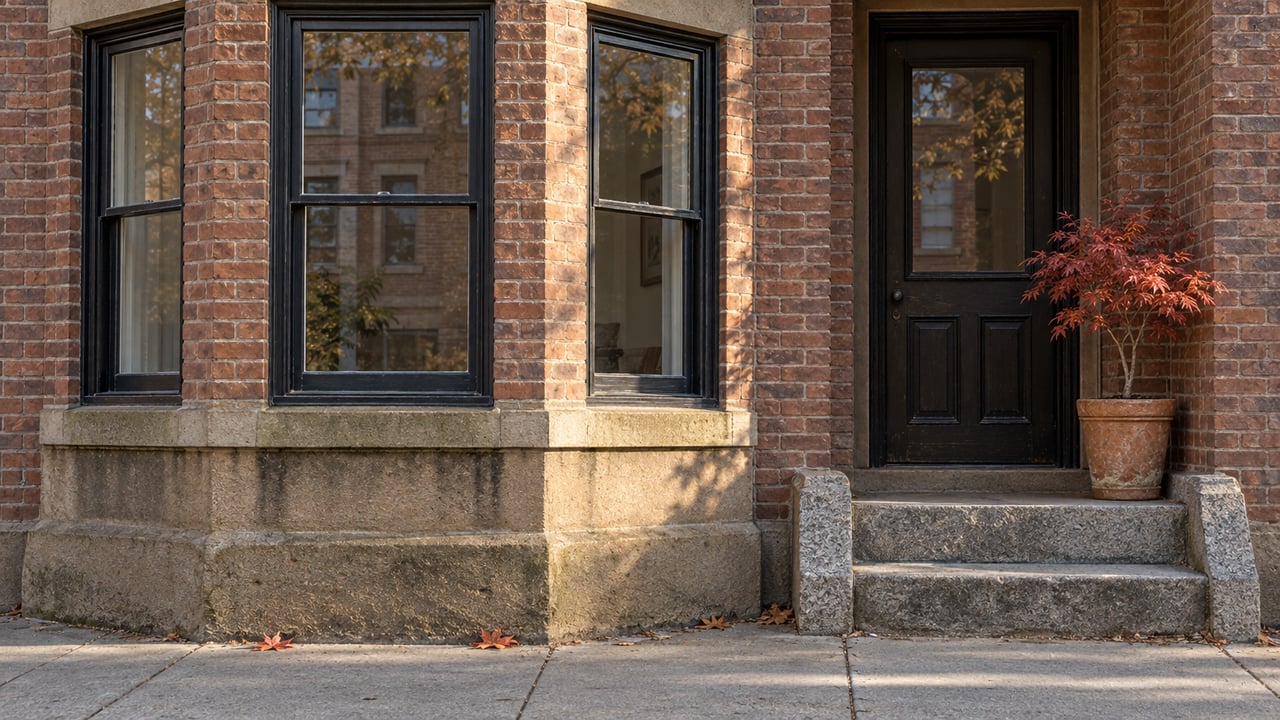
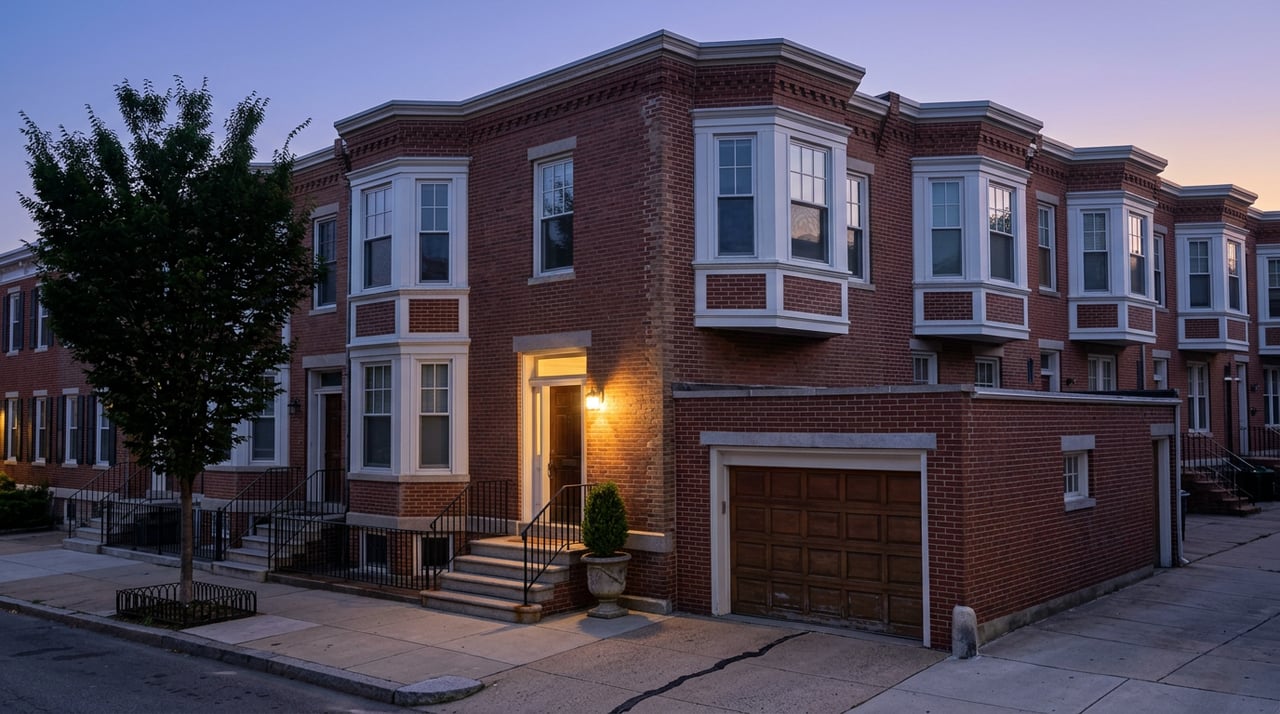
Boston planning and historic study materials describe the North End housing stock as a mix of low-rise brick row houses, brick and wood tenements, and older mixed-use buildings. The neighborhood is also one of Boston’s oldest and densest, according to the National Park Service. That building pattern still shapes what many homes feel like today.
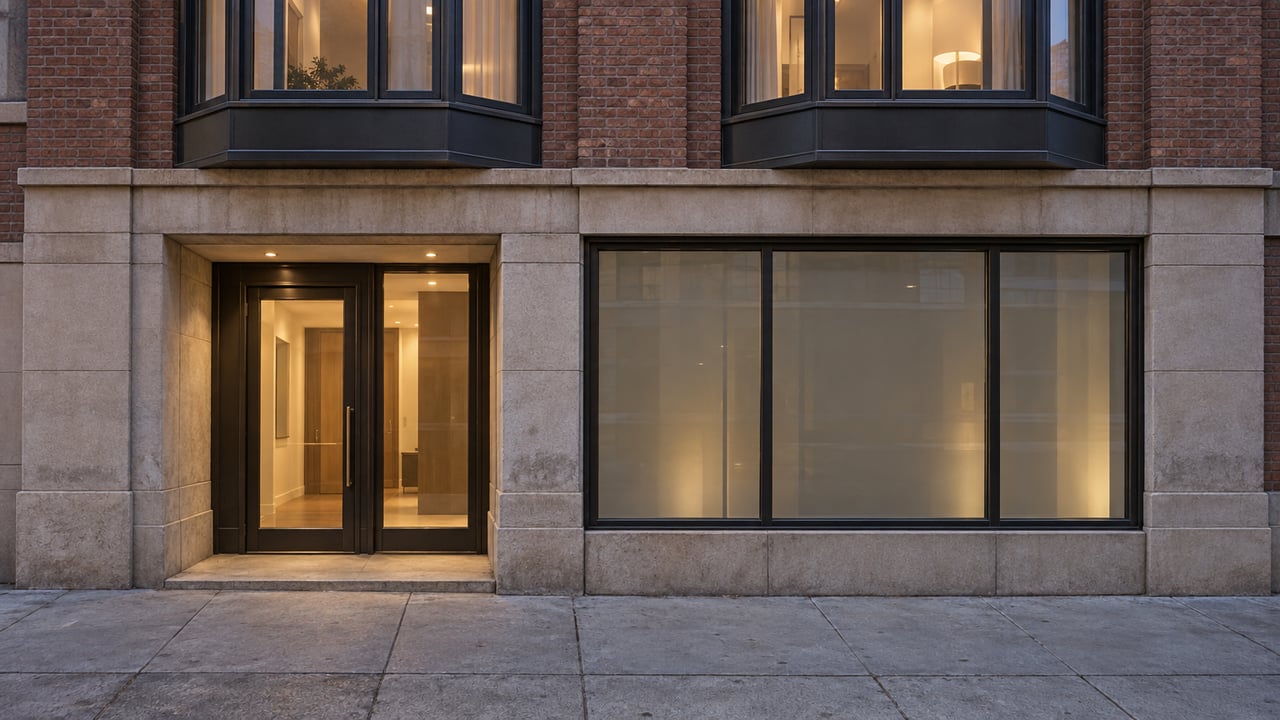
In practical terms, a lot of North End homes are condos within older structures rather than units built in newer ground-up developments. The neighborhood’s long history of adaptation supports that pattern. Even the Paul Revere House later functioned as a tenement building with first-floor shops, showing how these buildings have evolved over time.
What condo living often means here
In the North End, condo living often comes with a few common themes:
- Smaller footprints than you might find in newer developments
- Shared walls and close building spacing
- Older building systems
- Mixed-use settings with residential space above or near ground-floor businesses
These are common neighborhood patterns, not guarantees for every property. Still, they are useful expectations if you are comparing the North End with newer condo inventory elsewhere in Boston.
Walkability is a real advantage
One of the clearest lifestyle benefits in the North End is walkability. Boston planning materials describe a compact neighborhood with narrow streets and many short trips made on foot. That matches what many people notice right away when spending time there.
If you value a car-light lifestyle, the North End makes that easier than many neighborhoods do. You can often handle everyday routines without building your day around driving. For many owner-occupant buyers, that convenience is a major reason the neighborhood holds long-term appeal.
Transit and neighborhood access
The North End also benefits from strong connections to the rest of Boston. Boston’s transportation plan places North Station at the edge of the district and notes that Haymarket is adjacent to the neighborhood. That gives residents access to key transit options without losing the North End’s distinct local character.
This matters if you commute, host guests, or simply want flexibility. A neighborhood can feel intimate and still stay well connected, and the North End is a good example of that. The ability to walk locally and still access broader city transit adds to its convenience.
Harborwalk access expands the neighborhood
Waterfront living adds breathing room
The Boston Harborwalk is a nearly 40-mile public waterfront walkway that passes through the North End and other waterfront neighborhoods. In the North End, that means the harbor is not just something you look at from a distance. It is part of the neighborhood’s usable public realm.
That access changes how the neighborhood lives. A few minutes after walking through narrow brick-lined streets, you can be on a waterfront path with more open sky and longer views. For many residents, that contrast is one of the North End’s most attractive features.
Parks and recreation matter here
The city highlights waterfront recreation spaces in the North End, including a skating rink and baseball fields. Langone Park and Puopolo Playground have also seen climate-resilient improvements, including an elevated Harborwalk segment. Those public investments show that the waterfront is both a recreational amenity and a focus of long-term planning.
There is one current note worth knowing. As of June 2026, the BCYF Mirabella Pool is closed until summer 2028 due to construction tied to the new North End Community Center, which is expected to be completed in fall 2027.
Waterfront access comes with planning realities
The waterfront is a major lifestyle benefit, but it is not just about scenery. Boston’s coastal resilience work in the area shows that flood mitigation is part of the neighborhood’s present and future. Buyers should understand that public-space improvements along the waterfront are also shaped by climate planning.
That does not reduce the appeal of the Harborwalk or waterfront parks. It simply adds useful context. In a coastal Boston neighborhood, access to the water and resilience planning often go hand in hand.
Parking is the biggest tradeoff for many residents
If you are moving to the North End from a less dense area, parking may be one of the biggest adjustments. Boston’s resident parking program gives neighborhood residents preferential access to on-street spaces, and the city says resident parking is free. At the same time, visitor parking often requires off-street planning in permit-restricted neighborhoods.
In the North End, that challenge is tied to the street layout itself. The streets are tight, the neighborhood is dense, and on-street parking is limited by design. If you own a car, it is smart to treat parking as a daily logistics question rather than an afterthought.
A neighborhood amenity people overlook
The North End Branch of the Boston Public Library is an example of the neighborhood-scale amenities that can make daily life easier. According to Boston planning materials, the branch offers computers, Wi-Fi, community space, and Italian and Spanish world-language collections. It is a useful reminder that North End living is not only about restaurants and history.
For residents, small everyday resources often matter just as much as headline attractions. A well-used local library adds another layer of convenience and community function. In a compact neighborhood, those amenities tend to feel especially accessible.
Why the North End appeals to buyers
The North End often appeals to buyers who want a neighborhood with strong identity, walkability, historic architecture, and access to both city life and the waterfront. It offers a style of living that feels distinctly Boston. That combination can be hard to replicate elsewhere.
At the same time, it helps to go in with clear expectations. Older housing stock, limited parking, and historic review requirements can all shape your experience as an owner. When you understand both the charm and the logistics, you are in a much better position to buy with confidence.
If you are weighing a condo purchase, preparing to sell, or comparing Boston neighborhoods block by block, local context matters. The North End is compact, nuanced, and highly specific, which is exactly where experienced neighborhood guidance can make a difference. If you want help navigating North End real estate with a concierge-level, Boston-savvy approach, contact Jack Rooney.
FAQs
Is the North End in Boston walkable for daily errands?
- Yes. Boston planning materials describe the North End as a compact, narrow-street neighborhood where many trips are made on foot.
What types of homes are common in the North End Boston?
- Older brick row houses, tenement-era buildings, and mixed-use structures are central to the neighborhood’s housing story.
Is parking easy in the North End Boston?
- No. Resident permit parking helps locals access on-street spaces, but parking is limited and visitors often need to plan for off-street options.
Does North End Boston have waterfront access?
- Yes. The Boston Harborwalk runs through the neighborhood, connecting residents to waterfront paths, parks, and recreation spaces.
Do historic rules affect North End Boston properties?
- They can. Boston says exterior changes to designated landmarks and properties in local historic districts are subject to design review.
Is the BCYF Mirabella Pool open in the North End?
- No. As of June 2026, the pool is closed until summer 2028 during construction related to the new North End Community Center.