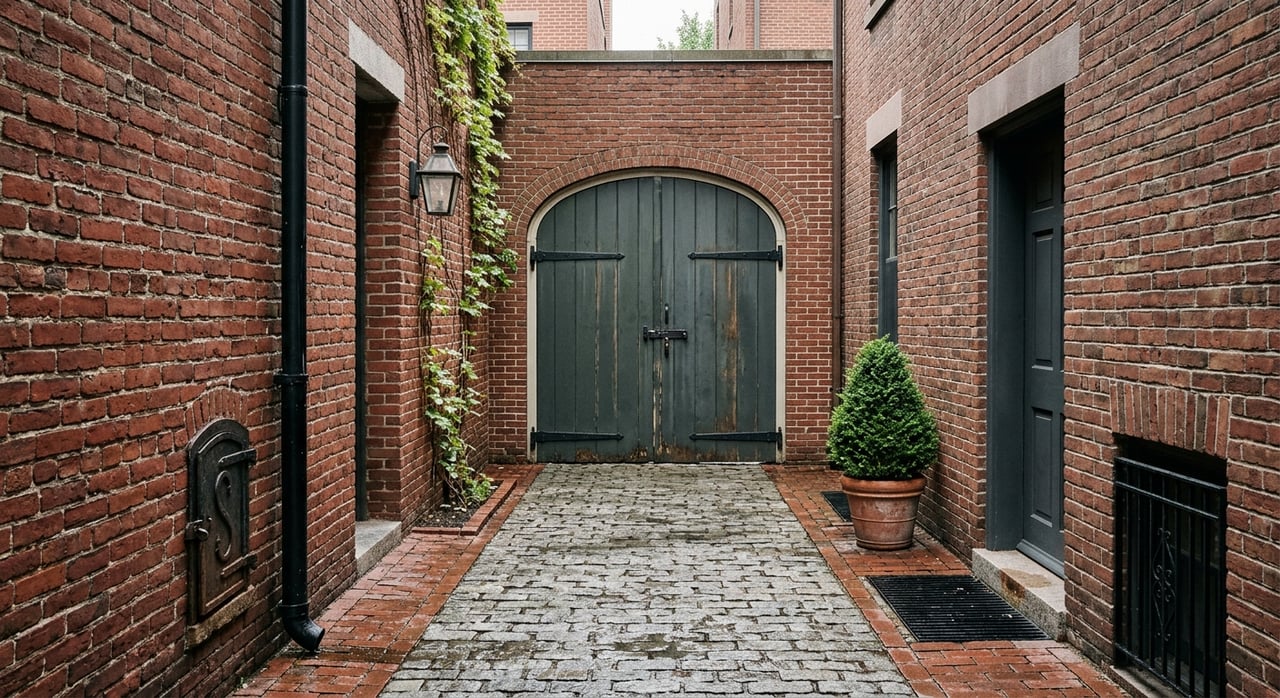
If you have ever walked Beacon Hill and wondered whether it feels as charming to live in as it does to visit, the short answer is yes, but in a very specific Boston way. This is a neighborhood shaped by narrow streets, historic buildings, and a daily rhythm that blends beauty with practical tradeoffs. If you are thinking about buying, selling, or simply getting to know Beacon Hill better, this guide will help you understand what everyday life here really looks like. Let’s dive in.
Why Beacon Hill Feels So Distinct
Beacon Hill covers about one square mile just north of Boston Common and the Public Garden, but it has an outsized presence in Boston’s identity. The Historic Beacon Hill District was established in 1955 and later expanded several times, making it the oldest historic district in Massachusetts.
That long history is not just background detail. It shapes what you see, what owners can change, and how the neighborhood feels day to day. From the start of development around the Massachusetts State House in 1798 to the preservation rules in place today, Beacon Hill has been guided by a strong sense of continuity.
Beacon Hill also carries a deeper public history than its postcard image alone suggests. The neighborhood includes sites connected to Boston’s 19th-century free Black community, including places recognized through the Boston African American National Historic Site and the Black Heritage Trail.
Beacon Hill Architecture at a Glance
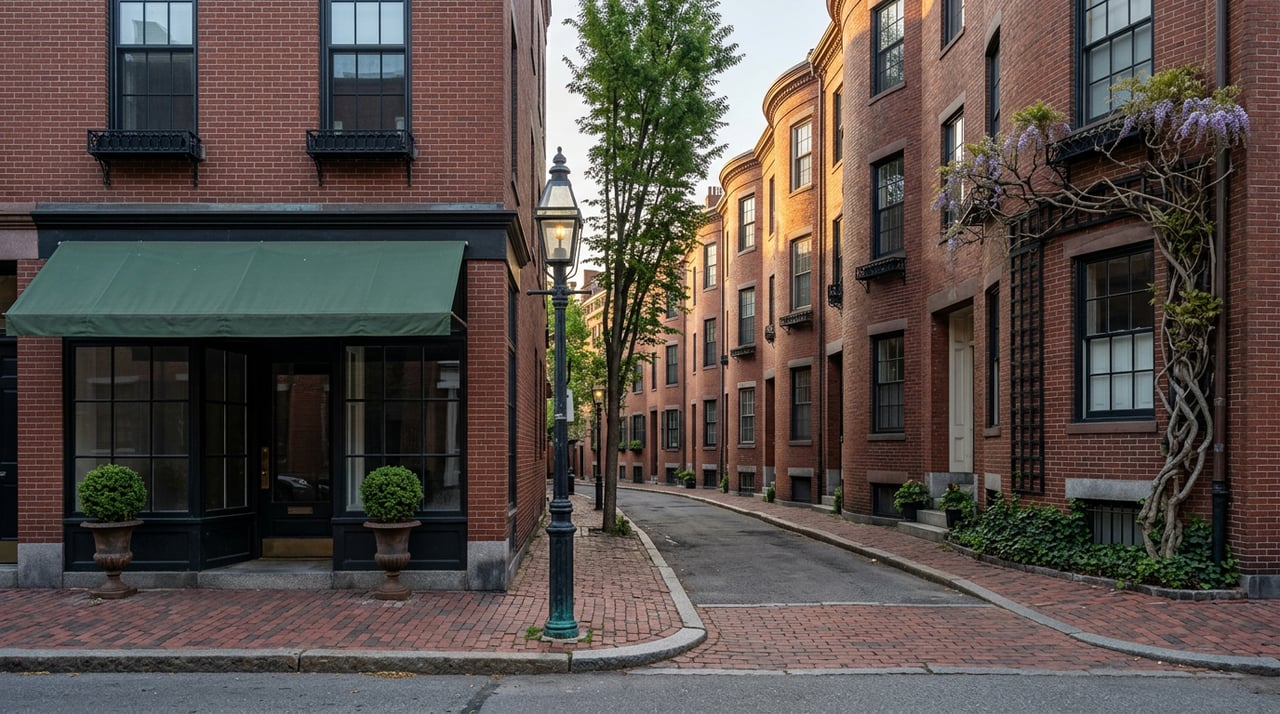
The visual character of Beacon Hill is immediately recognizable. Brick rowhouses, ornate entry doors, decorative ironwork, brick sidewalks, and the well-known lamp-lit streets all help create the neighborhood’s signature look.
Boston identifies Beacon Hill’s architecture with Federal and Greek Revival design, including work associated with Charles Bulfinch, Asher Benjamin, Solomon Willard, and Alexander Parris. Over time, later 19th-century apartment buildings were added, which means the housing stock is more varied than many people expect.
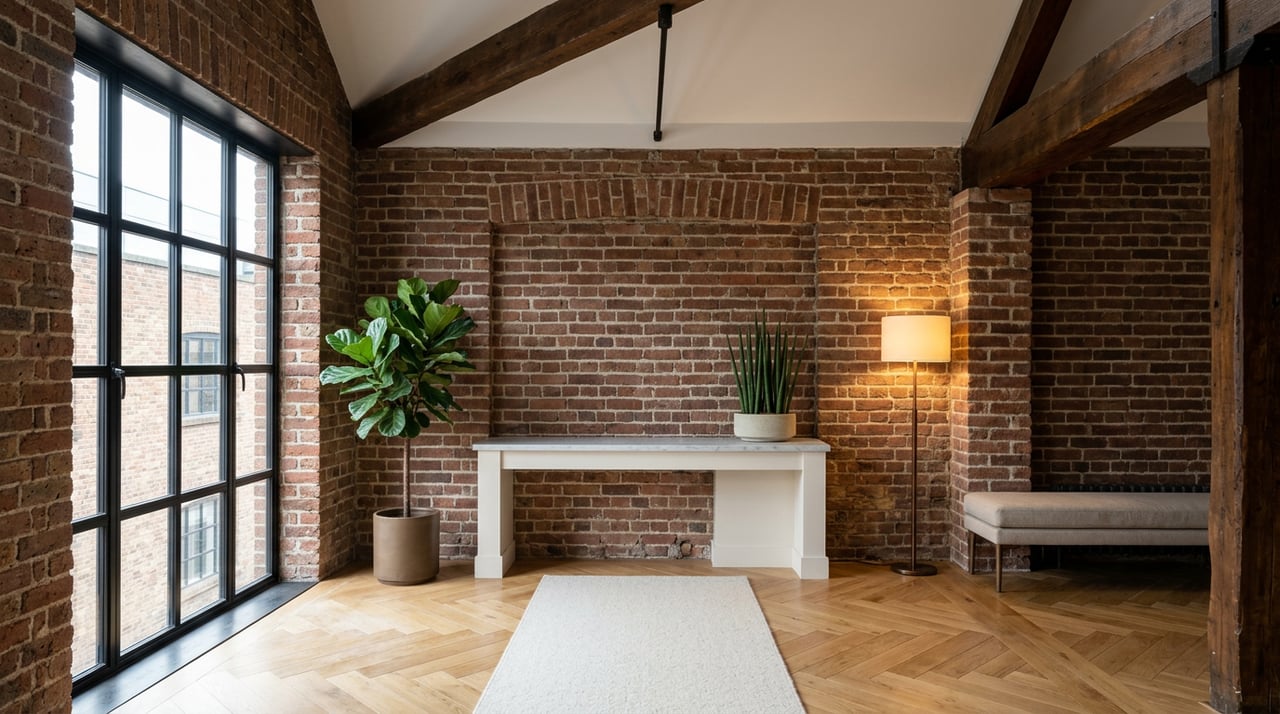
That variety matters if you are shopping for a home. Beacon Hill is not only a collection of single historic townhouses. It also includes smaller apartment buildings and adaptive-reuse properties, with some former stables and carriage houses converted into lofts or studios.
What That Means for Today’s Homes
Because many of the original buildings were narrow attached rowhouses, homes here often follow a vertical layout. In practical terms, that can mean floor-through units, duplexes across garden and parlor levels, or homes spread across multiple stories.
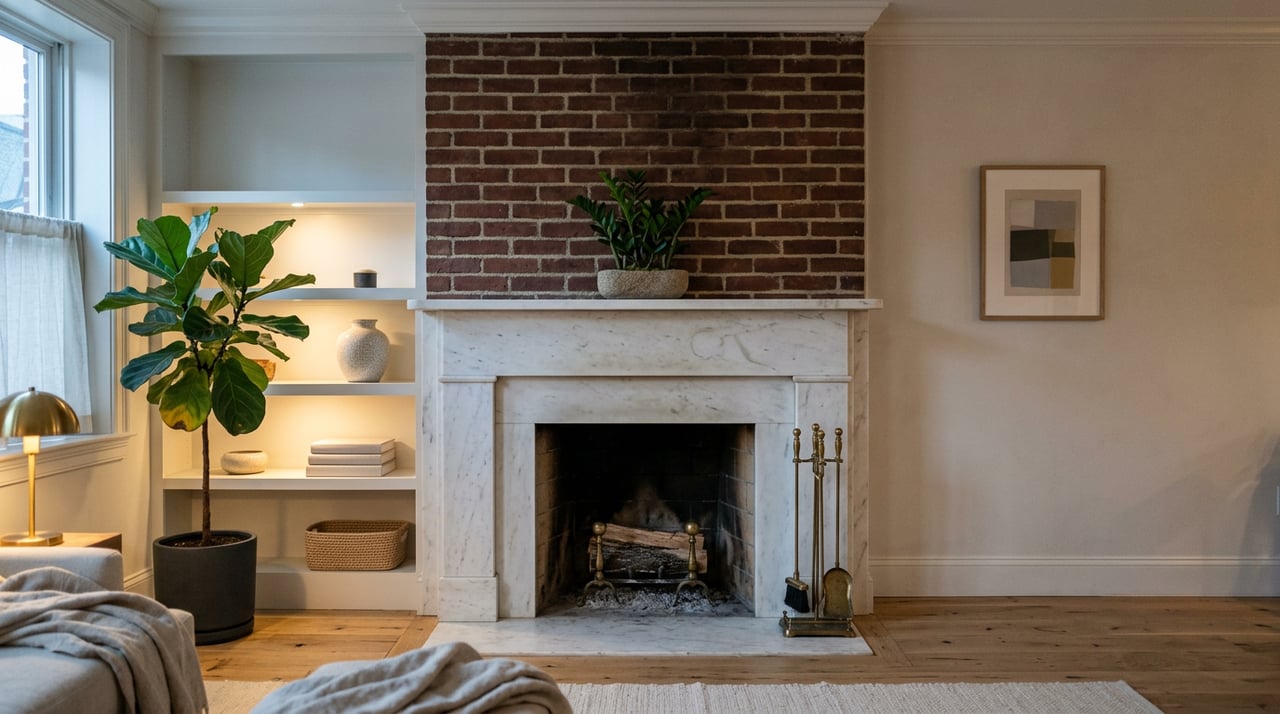
This building form helps explain why Beacon Hill homes can feel different from newer condos in other Boston neighborhoods. You may find more separation between living areas, more stairs, and room layouts shaped by the original structure rather than modern open-plan design.
For some buyers, that is the appeal. For others, it is an adjustment. The key is understanding that Beacon Hill’s charm often comes with a layout that reflects its age and architectural roots.
Alleys, Streets, and the Neighborhood Rhythm
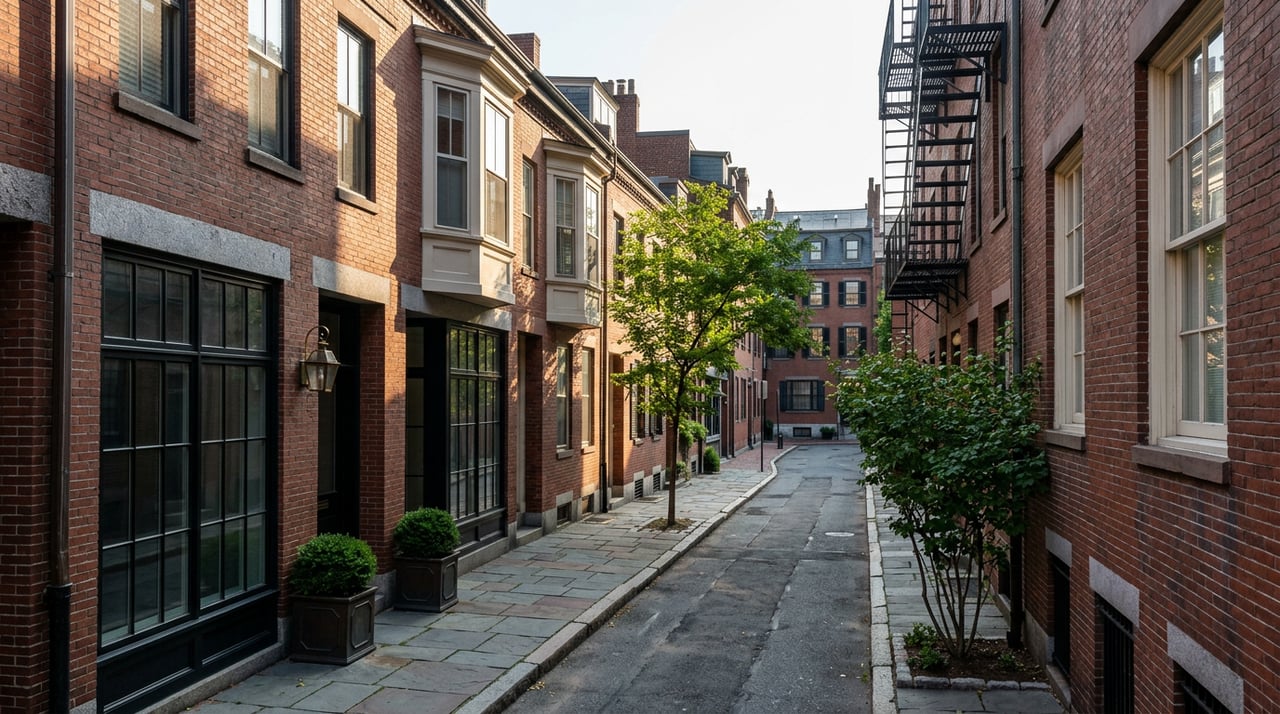
One reason Beacon Hill feels so intimate is its street pattern. Boston transportation planning materials describe the area as a dense network of very narrow streets with relatively little busy traffic.
That does not mean the neighborhood feels isolated. It means the public realm feels scaled to walking, noticing details, and moving through a compact streetscape where architecture is always close at hand. In a city setting, that creates a very different daily experience than a neighborhood built around wider roads or larger residential towers.
Charles Street and Cambridge Street serve as the main commercial corridors. Boston describes Charles Street as a hub for antique shops, restaurants, and other local businesses, which helps keep the area active and practical for residents, not just visitors.
The Role of the Alleys
The alleys are part of what gives Beacon Hill its texture. They support the compact form of the neighborhood and contribute to the sense that the area developed layer by layer rather than all at once.
For residents, those smaller passages and tight streets make everyday life feel more tucked in and neighborhood-oriented. They also reinforce that Beacon Hill is a place best experienced on foot, where small details often define the mood of the block.
Parks and Views Shape Daily Life
Beacon Hill’s location next to Boston Common, the Public Garden, and near the Charles River Esplanade affects daily life in a real way. These are not just nearby amenities on a map. They are part of the neighborhood’s visual backdrop and part of the setting the city works to preserve.
The historic district review process specifically treats views from places like Boston Common, the Public Garden, Storrow Drive, the Charles River Esplanade, and the Longfellow Bridge as important. That tells you something meaningful about Beacon Hill: the neighborhood is experienced both from within and from its edges.
For buyers, this adds to the appeal of the location. For sellers, it helps explain why Beacon Hill continues to carry a strong identity in the broader Boston market.
What Everyday Living Really Feels Like
Beacon Hill is admired for its beauty, but it is also a functioning residential neighborhood. Shops and restaurants on Charles Street, nearby green space, and walkable access to downtown all help keep it lived-in rather than museum-like.
Boston notes that the neighborhood is within walking distance of many downtown jobs. That supports the pedestrian-first feel and adds convenience for residents who want city access without giving up a quieter residential setting.
At the same time, everyday life here often means living with older building systems, compact footprints, and layouts that may be smaller or more vertical than what you would see in newer construction. If you love character and location, those tradeoffs may feel worth it. If you prioritize flexibility and easy renovation, they are important to weigh carefully.
What Buyers Should Know Before Purchasing
If you are considering buying in Beacon Hill, it helps to go in with clear expectations. This is a neighborhood where the exterior character is closely protected, and that affects what ownership looks like.
Exterior work visible from a public way is subject to review by the Beacon Hill Architectural Commission. The city’s guidelines emphasize preserving original materials, windows, doors, trim, and other historic features, and they state that new openings in facades are not allowed.
That matters if you are imagining major exterior changes after closing. In Beacon Hill, buying the right property from the start is especially important because you may have less freedom to alter the outside appearance than you would in another neighborhood.
A Smart Buyer Checklist
Before you buy, it helps to look closely at:
- The home’s layout and how many levels you will use daily
- The condition of older building systems
- Whether the property is part of a condo conversion, apartment building, or townhouse configuration
- Any planned updates that could involve exterior review
- How the home’s historic features fit your lifestyle and maintenance expectations
For condo buyers especially, local building form matters. Many Beacon Hill condos come from conversions of older townhouses or small apartment buildings rather than purpose-built towers, so no two properties feel exactly alike.
What Sellers Should Understand About Beacon Hill Appeal
If you are selling in Beacon Hill, buyers are often drawn to a specific mix of features. They are not just buying square footage. They are buying architecture, location, atmosphere, and a very recognizable Boston streetscape.
That means presentation should highlight the home’s relationship to the neighborhood. Details like original character, the style of the building, access to Charles Street, and proximity to the Common or Public Garden can all help frame why the property feels distinct.
It also helps to be realistic about what buyers will notice. They may love the character of a parlor-level entry or a brick-lined street, but they will also be paying attention to layout efficiency, stairs, storage, and the condition of older systems. Strong marketing in Beacon Hill works best when it respects both the romance and the reality of the housing stock.
Why Local Guidance Matters in Beacon Hill
Beacon Hill is one of those neighborhoods where broad Boston knowledge helps, but hyper-local context matters even more. Between historic district review, varied building types, and highly individual layouts, buyers and sellers benefit from guidance that goes beyond the basics.
For buyers, that means understanding not just what is available, but how a home’s architecture may shape daily living. For sellers, it means positioning a property in a way that speaks to what Beacon Hill buyers are actually looking for.
At Rooney Real Estate, that kind of neighborhood-specific perspective is central to how we advise clients across Boston’s premium urban markets. Whether you are evaluating a condo conversion, preparing a historic home for market, or trying to understand how Beacon Hill compares with other nearby neighborhoods, clear local insight can make the decision process much smoother.
If you are thinking about buying or selling in Beacon Hill, Jack Rooney can help you navigate the neighborhood with practical guidance, thoughtful strategy, and a boutique approach built for Boston real estate.
FAQs
What is Beacon Hill known for in Boston?
- Beacon Hill is known for its historic brick rowhouses, narrow streets, decorative ironwork, brick sidewalks, and its location next to Boston Common and the Public Garden.
Are all Beacon Hill homes historic townhouses?
- No. Beacon Hill is best known for historic rowhouses, but it also includes later apartment buildings and adaptive-reuse properties such as converted stables and carriage houses.
Are Beacon Hill streets actually narrow?
- Yes. Boston transportation materials describe Beacon Hill as a dense network of very narrow streets with relatively little busy traffic.
Can Beacon Hill homeowners change the exterior of their property easily?
- No. Exterior work visible from a public way is subject to Beacon Hill Architectural Commission review, and the city emphasizes preserving original historic features.
What is everyday life like in Beacon Hill?
- Everyday life in Beacon Hill blends historic character with practical city living, including walkable access to shops, restaurants, parks, and downtown, along with older homes that may have smaller or more vertical layouts.