Looking for a Boston neighborhood that feels historic, walkable, and full of energy, but still offers real day-to-day convenience? If you are a young buyer or a family trying to balance city living with practical needs, the South End often lands high on the shortlist. This guide will help you understand what living in the South End is really like, what kinds of homes you can expect, and what tradeoffs matter most before you buy. Let’s dive in.
Why South End Stands Out
The South End sits just south of Back Bay and minutes from Downtown, which gives you quick access to the core of Boston while still offering a distinct neighborhood identity. Boston Planning describes it as an elegant residential neighborhood developed in the mid-1800s on filled tidal flats, with a regular street grid, notable townhouses, and about 30 parks.
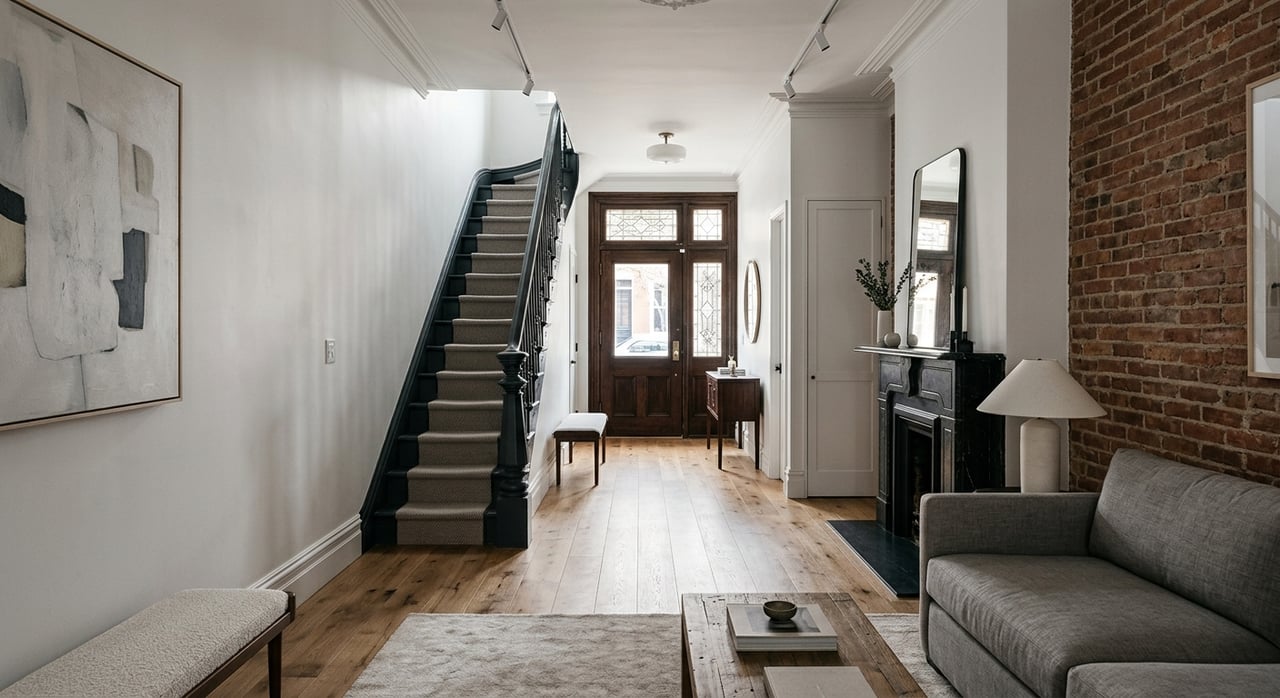
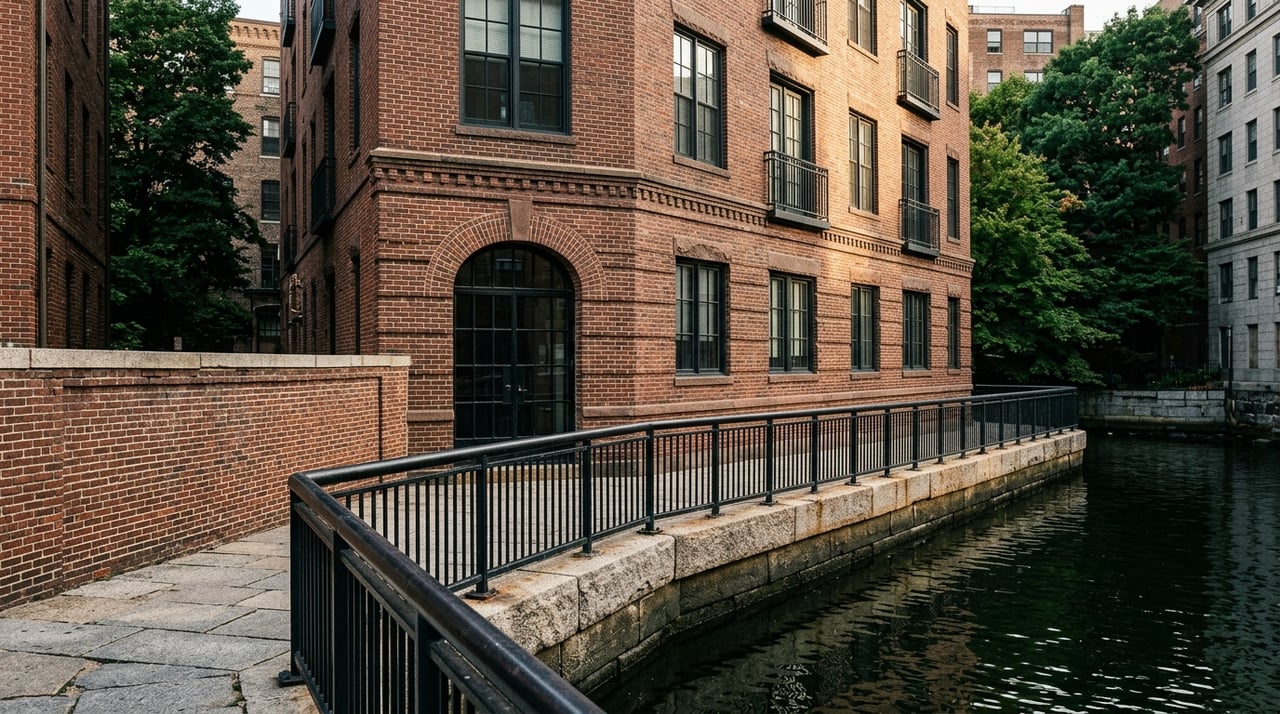
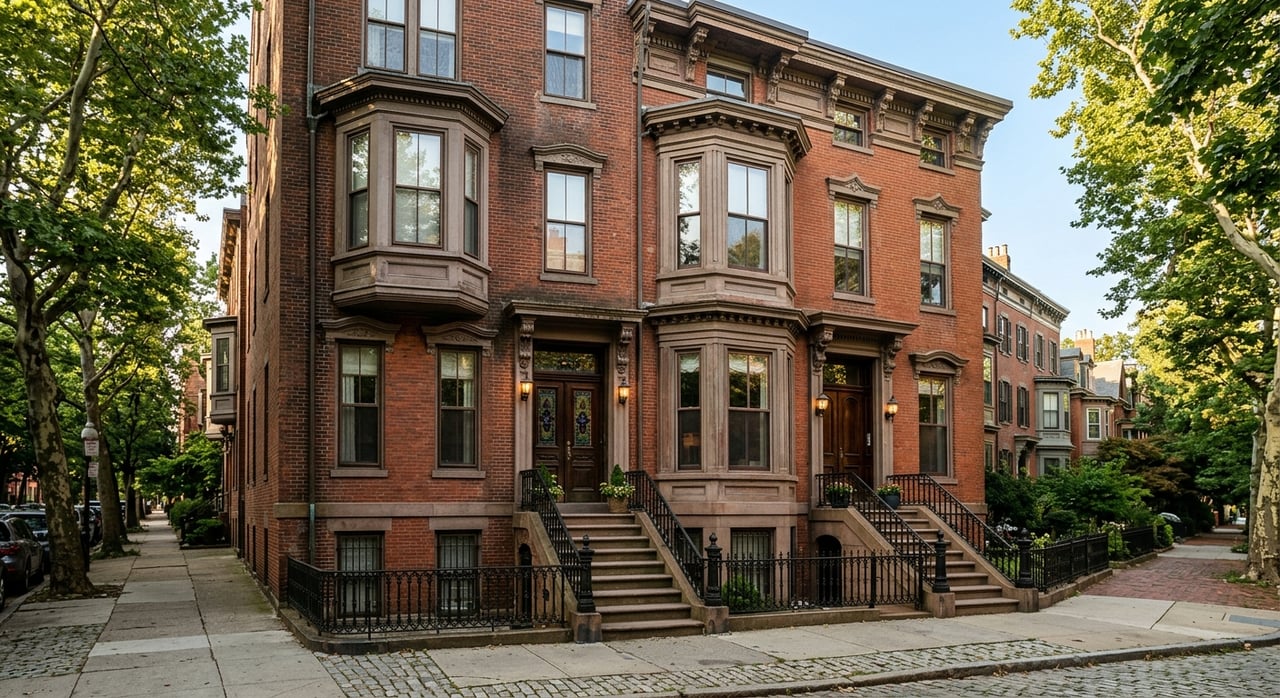
It is also the largest Victorian residential district in the United States, which helps explain why the architecture is such a major part of the appeal. If you are drawn to brick facades, classic rowhouse streets, and a neighborhood that feels visually cohesive, South End delivers that in a way few Boston neighborhoods can.
The neighborhood is also shaped by a broad mix of residents and uses. City sources describe it as home to young families, professionals, immigrants, and a vibrant gay community, which adds to its layered urban character. For buyers who want a neighborhood with both history and everyday activity, that mix is part of the draw.
South End Lifestyle at a Glance
For many buyers, South End is less about having extra space and more about how easily your daily life can work without relying heavily on a car. The neighborhood is known for walkability, transit access, dining, parks, and arts, all packed into a dense urban setting.
You can see that clearly in the neighborhood’s main corridors. Tremont Street is known as Restaurant Row, Shawmut Avenue offers boutiques and restaurants along a tree-lined stretch, and Harrison Avenue is home to the SoWa Open Markets. Boston Planning also notes that restaurants, bars, galleries, and boutiques line both Tremont and Washington Streets, while the Boston Center for the Arts adds another layer of activity.
That means your version of convenience here may look different from a more residential neighborhood elsewhere. Instead of a large private yard or detached home, you are often trading for proximity to parks, cafes, transit, cultural venues, and everyday errands within a compact footprint.
What Homes Look Like in South End
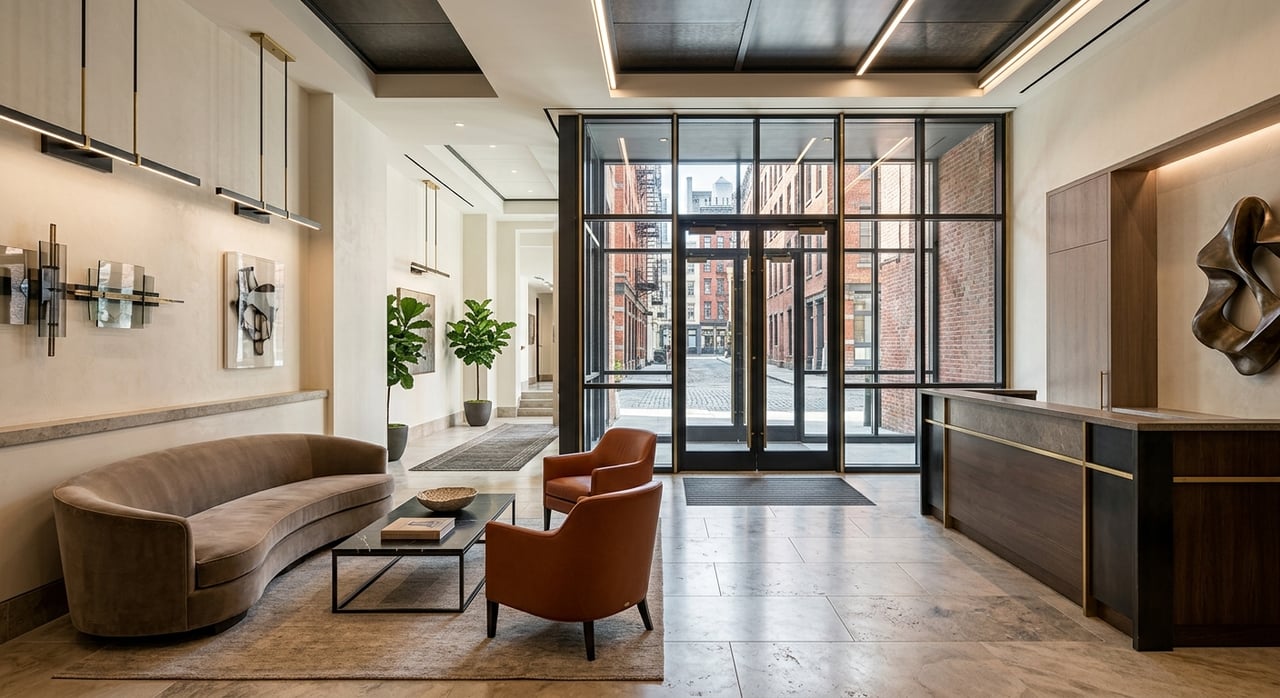
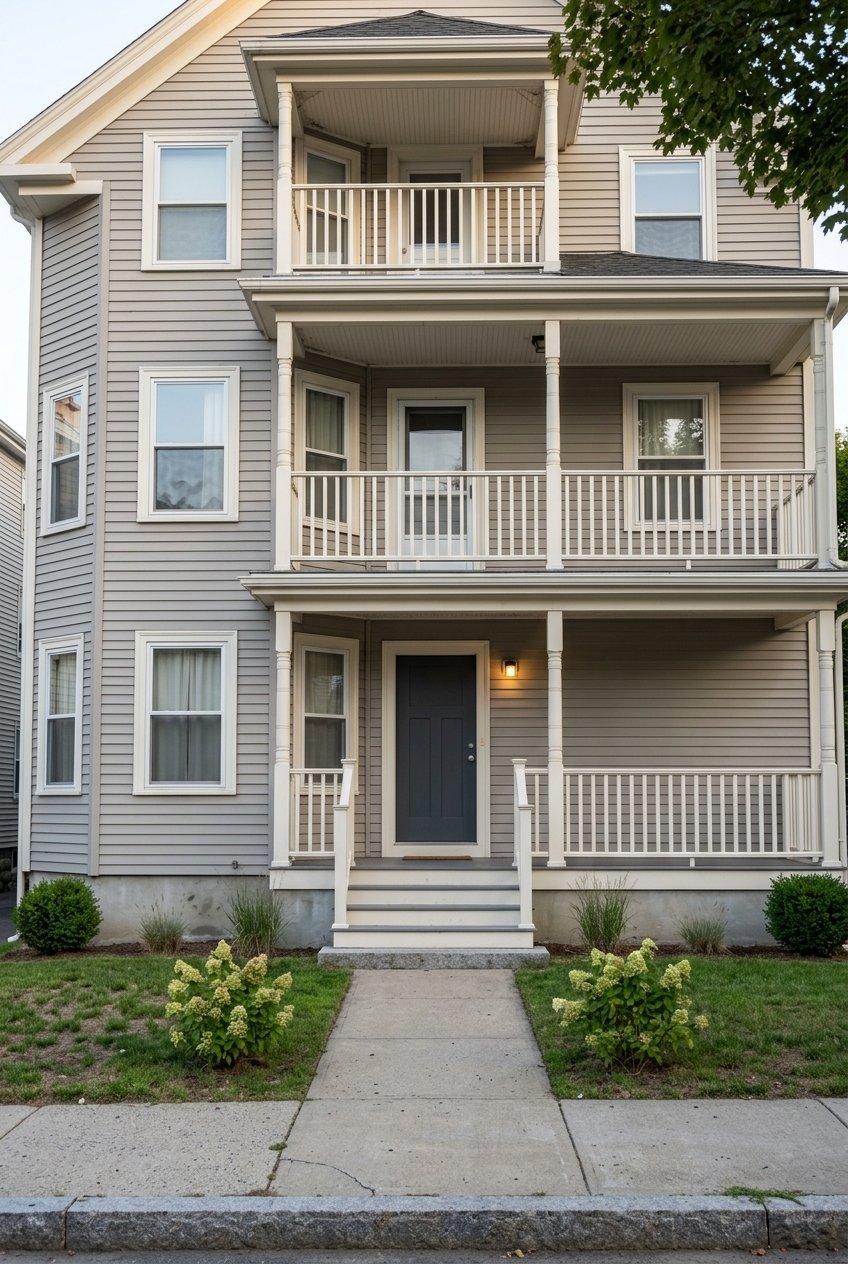
If you are beginning your search, it helps to set expectations early. South End is not a neighborhood defined by detached single-family homes. Official city sources point to a housing stock shaped by historic brick townhomes, rowhouses, and multi-unit buildings, alongside publicly funded housing.
For young buyers, that often means condos, floor-through units, duplexes, and homes within converted or historic structures will be more common than traditional standalone houses. For families, it means the layout of the home matters just as much as square footage. You may want to pay close attention to storage, bedroom placement, stroller access, and whether outdoor space is private, shared, or nearby in a public park.
Because the area developed starting around 1850, many homes come with the character buyers love, but also the realities that often come with older housing. Your purchase decision may need to account for building systems, shared maintenance, condo association structure, and the limits of updating historic exteriors.
Landmark Rules Matter for Buyers
One of the most important practical points in South End is that it is a local landmark district. The South End Landmark District was designated in 1983, and exterior changes to historic properties are reviewed by the South End Landmark District Commission.
That matters if you are buying with renovation plans in mind. Projects involving windows, facades, roofs, or other visible exterior work may require review, so it is smart to understand that process before you close. If your goal is to personalize a home quickly or make major visible updates, this is an area where expectations should be realistic from the start.
For some buyers, these rules are a positive because they help preserve the neighborhood’s historic look. For others, they are a constraint that affects timeline, budget, and design flexibility. Either way, it is a factor that deserves attention early in your search.
Parks and Open Space
One of South End’s biggest advantages is its park network. The city says the neighborhood has nearly 30 parks, which is a major quality-of-life benefit in a dense part of Boston.
Well-known open spaces include Peters Park, Titus Sparrow Park, Blackstone Square, Franklin Square, and the Southwest Corridor. These spaces help break up the urban fabric and give residents room for walks, playtime, fresh air, and a change of pace from indoor city living.
For families, park access can be especially important if your home has limited private outdoor space. For young professionals and first-time buyers, these parks also make the neighborhood feel more livable day to day. The Southwest Corridor, in particular, stands out because city sources describe it as one of Boston’s busiest walking and bicycling routes.
Transit and Getting Around
If you want a car-light lifestyle, South End has a strong case. Transit is a central part of daily life here, and the Washington Street corridor is served by Silver Line routes 4 and 5.
City data also notes that more than 24,000 MBTA commuters ride the bus each day along Washington Street in Roxbury and the South End. Boston Planning adds that the Southwest Corridor Path was built over the depressed Orange Line train, which reinforces how closely the neighborhood is tied to transit and active transportation.
In practical terms, this can make commuting, errands, and social plans easier without needing to drive everywhere. For buyers comparing Boston neighborhoods, that level of connectivity is often a deciding factor.
South End for Young Buyers
If you are early in your buying journey, South End can appeal for a few clear reasons. You get a neighborhood with strong architectural identity, a central location, and a built-in lifestyle centered on restaurants, parks, transit, and culture.
The tradeoff is that ownership here often means adapting to urban housing rather than expecting suburban-style space. A condo in a rowhouse or historic building can be a great fit if you care more about location and neighborhood experience than large private square footage.
The neighborhood may be especially appealing if you want to be near Back Bay and Downtown without choosing a more retail-focused environment. Compared with nearby options, South End often attracts buyers who want a residential-feeling urban core with a strong sense of place.
South End for Families
Families can absolutely consider South End, but it helps to think through daily routines with care. This is still a dense urban district, so success here often comes down to matching the right pocket and housing type to your household’s needs.
Boston Public Schools lists Blackstone Elementary at 380 Shawmut Avenue in the South End. The district’s multilingual programs page also identifies the Hurley K-8 as a Spanish-English immersion school in the South End. If school planning is part of your home search, those are practical local factors to review as you narrow your options.
There is also one current quality-of-life detail worth knowing. Boston officials say the South End Branch Library has been closed since April 2021 because of repeated flooding, and a full reopening is not expected until at least 2027. For some households, that may affect how they think about nearby library access and neighborhood routines.
South End Has Distinct Pockets
One of the biggest mistakes buyers make is treating South End as if it feels the same everywhere. It does not. Based on city descriptions and neighborhood context, the South End is better understood as a collection of distinct pockets.
The northwest edge near Back Bay tends to feel closest to Downtown and to the more formal historic core. The Tremont, Columbus, and Shawmut corridor often feels like the classic brownstone-and-dining center many buyers picture first. The Harrison and SoWa side leans more arts-focused and market-oriented, while the Massachusetts Avenue and Boston Medical Center edge feels more institutional and transit-oriented.
That variety is good news if you are willing to search carefully. It means you can often align your home search with the kind of block, activity level, and daily rhythm that fits you best.
How South End Compares Nearby
South End is often considered alongside Back Bay and South Boston, but each offers a different experience. Back Bay is known for protected historic character and major retail corridors like Newbury Street, while South Boston is more associated with waterfront access, beaches, and parks.
South End stands apart for its mix of townhouses, parks, dining, and arts within a more residential-feeling urban core. If you want a neighborhood that feels central and active but still rooted in historic streetscapes and local park space, South End can be a strong middle ground.
That is why it regularly appeals to buyers who want city living with character and convenience, but who do not necessarily want the feel of a purely commercial district or a waterfront-centered neighborhood identity.
What to Weigh Before You Buy
Before you commit to the South End, it helps to be honest about what matters most in your next move. This neighborhood is strongest for buyers who value historic architecture, walkability, park access, dining, and cultural energy.
It is less ideal if your top priorities are detached-home living, easy exterior renovation freedom, or a quieter low-density environment. For families, school fit, playground access, and the current library gap are all worth thinking through in practical terms.
A few smart questions to ask yourself include:
- Do you want a condo or rowhouse-style home more than a detached house?
- Are you comfortable with a dense, fully urban setting?
- Would park access and walkability offset smaller private outdoor space?
- If you plan to renovate, have you accounted for landmark review?
- Which South End pocket best matches your routine and budget?
When those answers line up, South End can be an excellent long-term fit.
If you are exploring South End and want grounded advice on how it compares with nearby Boston neighborhoods, property types, and buyer strategies, Jack Rooney can help you navigate the search with local perspective and clear next steps.
FAQs
What types of homes are most common in South End Boston?
- South End is primarily known for historic brick townhomes, rowhouses, and multi-unit buildings rather than detached single-family homes.
Is South End Boston a good fit for young buyers?
- South End can be a strong fit if you want walkability, transit access, historic character, dining, parks, and a central Boston location.
What should families know before buying in South End Boston?
- Families should think through housing layout, park access, school planning, and the current closure of the South End Branch Library when evaluating the neighborhood.
Do renovations in South End Boston require historic review?
- In many cases, visible exterior changes to properties in the South End Landmark District may require review by the South End Landmark District Commission.
What are the main lifestyle benefits of living in South End Boston?
- Many buyers are drawn to South End for its Victorian architecture, nearly 30 parks, strong transit connections, restaurants, arts venues, and walkable daily life.
Does South End Boston feel the same throughout the neighborhood?
- No, South End has distinct pockets, with some areas feeling more historic and dining-focused, others more arts-oriented, and others more transit- or institution-adjacent.