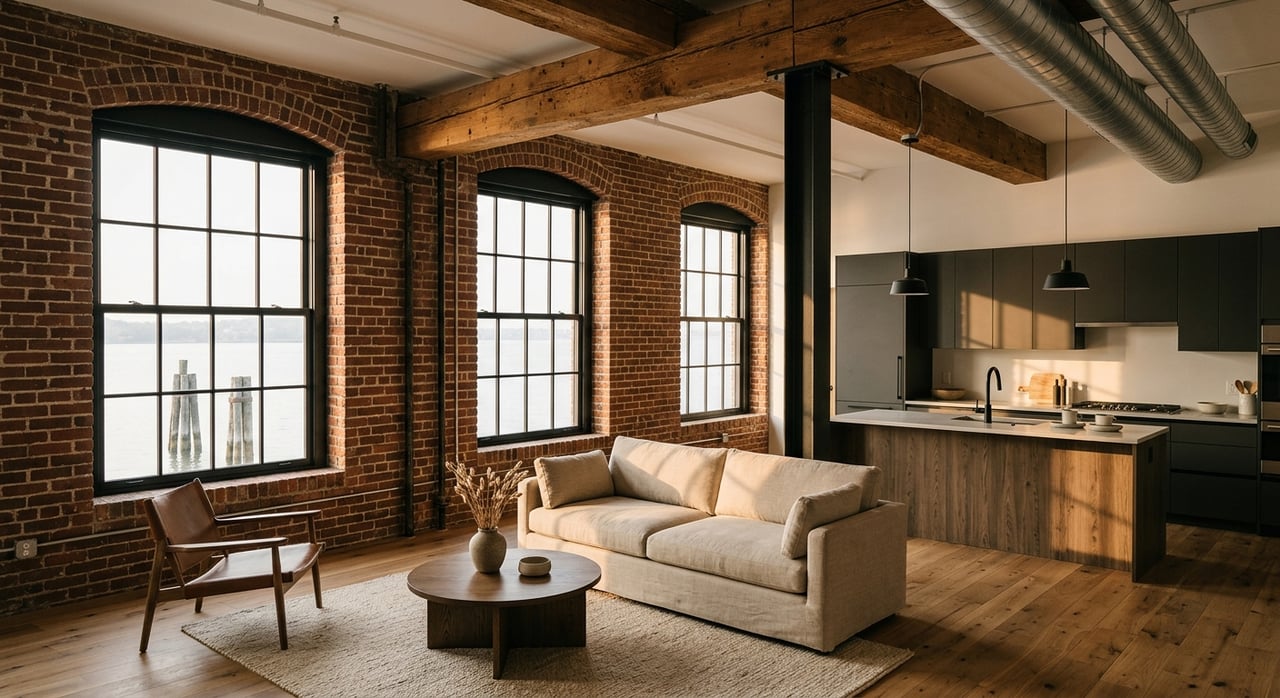
Shopping for a loft-style condo on Boston’s waterfront can feel exciting and a little tricky at the same time. You may love the exposed brick, oversized windows, and industrial character, but you also want to know what you are really buying. This guide will help you understand where true loft inventory tends to be, what makes these homes different, and which questions matter most before you make an offer. Let’s dive in.
Where waterfront loft condos are concentrated
Boston’s waterfront is not one single condo market. It stretches across multiple areas connected by the Harborwalk, which the City describes as a near-continuous 43-mile linear park along the shoreline.
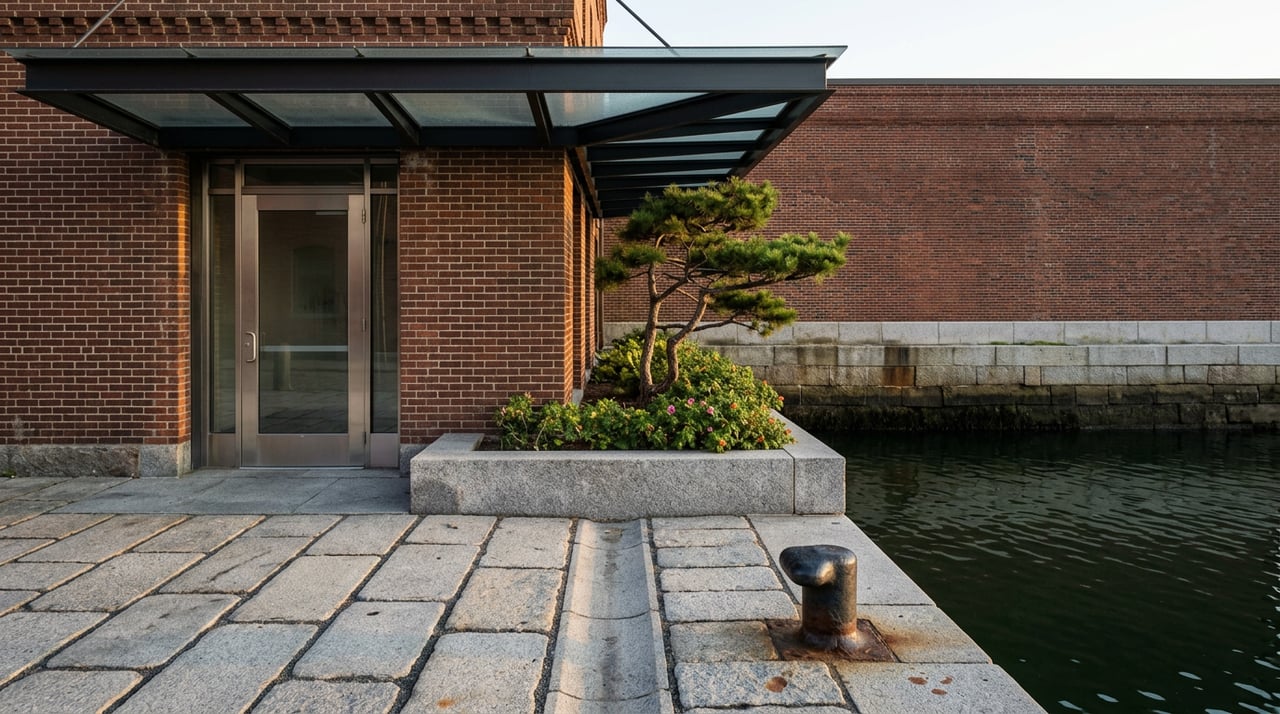
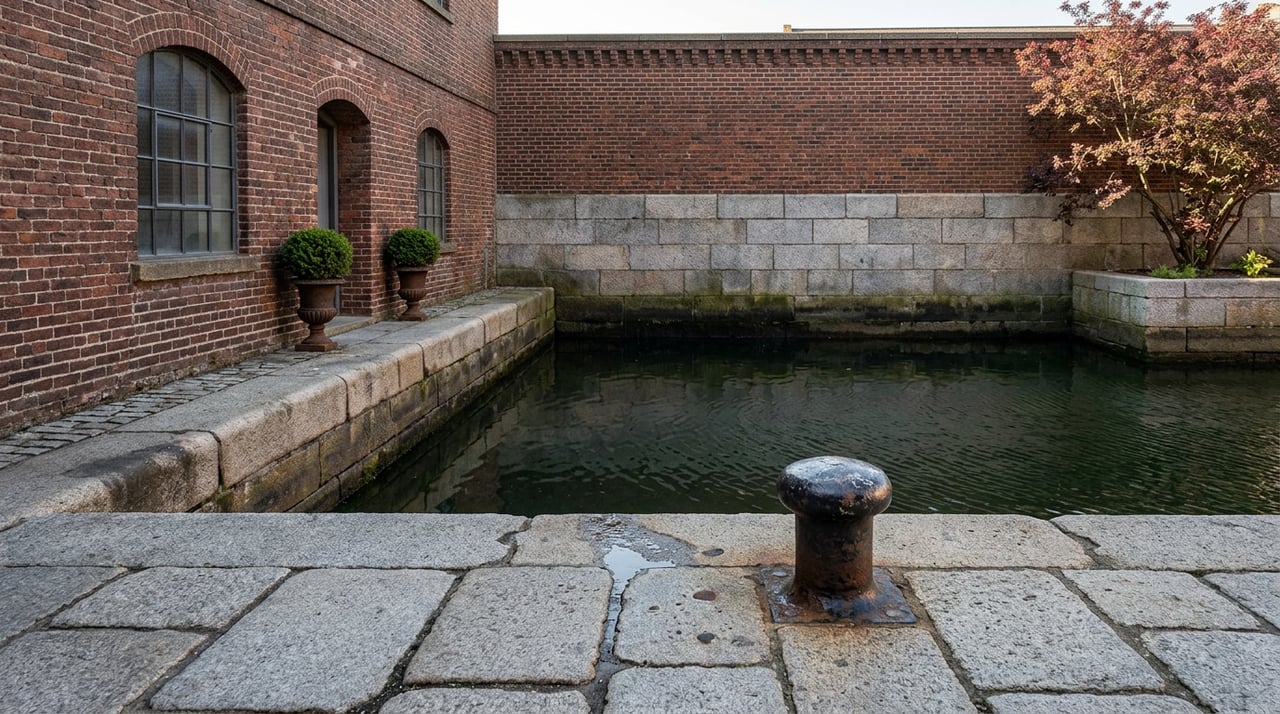
For buyers focused on loft-style condos, Fort Point Channel is often the key area to study. It is a roughly 55-acre historic district across the channel from downtown and includes Boston’s largest and most cohesive collection of late-19th- and early-20th-century industrial loft buildings.
That matters because Fort Point’s housing story is different from a typical new-construction condo district. The area began with industrial and mercantile uses, later evolved through wool-related activity and the arts, and many warehouse and light-industrial buildings were eventually converted to residential use.
What defines a true loft condo
If you are picturing a real loft, Fort Point’s historic building stock gives you a useful benchmark. City materials describe many of these buildings as brick-and-beam structures with high ceilings, freight elevators, weight-bearing floors, and large windows.
In everyday terms, that often translates to open or semi-open layouts, exposed structure, and room proportions shaped by the original industrial shell. These homes can feel dramatic and flexible, but they may not lay out like a more conventional condo.
That is why the phrase loft-style deserves a closer look. Some homes are true conversions inside older industrial buildings, while others are newer properties that borrow loft-inspired finishes without sharing the same original structure.
How to spot a true conversion
Listing language can tell you a lot. Terms like brick and beam, freight elevator, warehouse, industrial, or former factory often suggest that a unit is part of a genuine conversion rather than a newer building designed to mimic the look.
This distinction matters when you compare options. Older conversions often deliver more character and volume, but they can also bring more variation in window placement, unit shape, hallway layout, and overall circulation.
That variability is not necessarily a drawback. It simply means you should judge the home on how you live, not just on square footage or finishes in the photos.
What loft living can feel like day to day
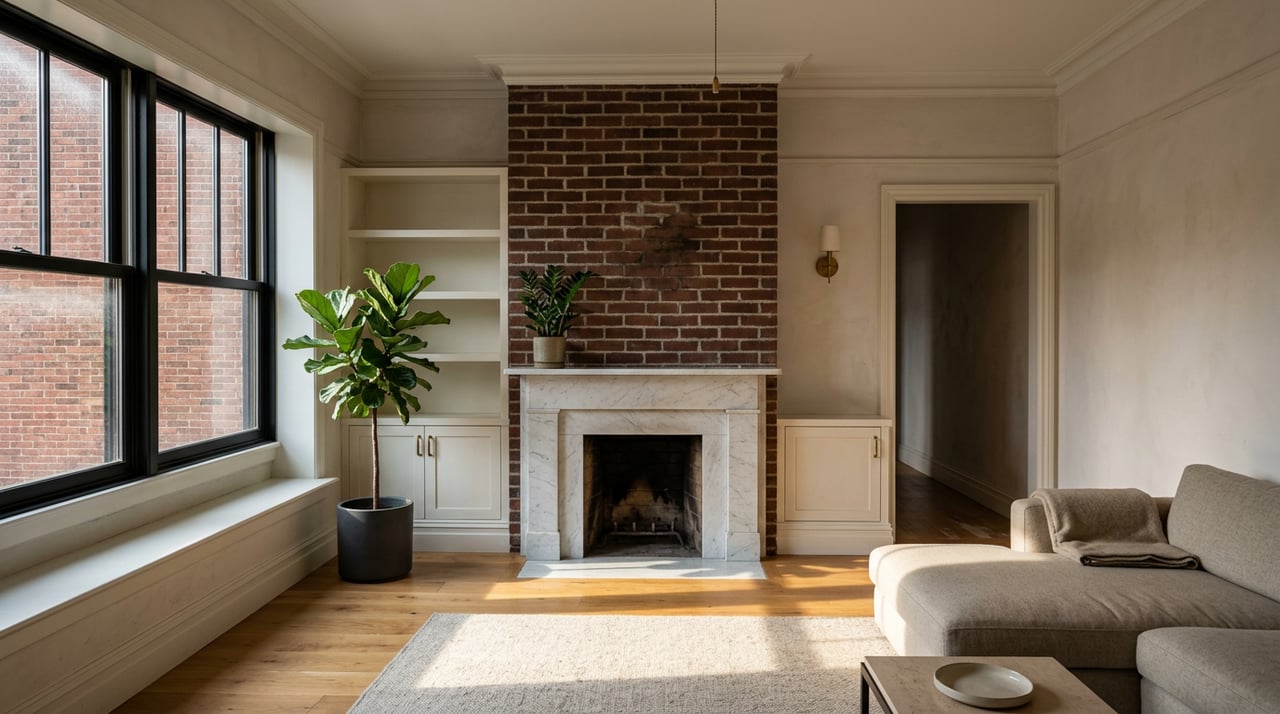
A waterfront loft can offer features that are hard to duplicate in a standard condo. High ceilings and large windows can make the space feel bigger, and exposed brick or timber can create a strong visual identity.
At the same time, unusual layouts can require more planning. You may need to think carefully about furniture placement, privacy, storage, or how easily an open space can support work, dining, and sleeping areas.
This is where in-person touring matters. A well-styled listing may highlight the loft’s personality, but your daily routine will depend on how that industrial shell functions as a home.
Historic district rules to understand
Many waterfront loft buyers are drawn to the architecture first. If you are buying in the Fort Point Channel Landmark District, you should also understand that exterior alterations are subject to review by the district commission.
That can affect future renovation plans. If you hope to replace windows, change exterior-facing elements, or make other visible updates, historic review may shape what is allowed.
For many buyers, this is part of what protects the area’s character. Still, it is smart to learn the rules before you assume a future project will be simple.
Why condo documents matter so much
In Massachusetts, condominiums are privately owned and governed by the master deed and bylaws under Chapter 183A. The Commonwealth also states that it does not have regulatory oversight over condos.
That means the building’s documents, finances, and board practices carry real weight. In an older loft conversion, careful due diligence is especially important because the building may have unique systems, common areas, or maintenance needs tied to its age and structure.
When you review a waterfront loft condo, focus not only on the unit but also on how the association operates. A beautiful space in a poorly managed building can become costly and stressful.
Reserve funds and special assessments
Massachusetts law requires condominium associations to maintain an adequate replacement reserve fund. That fund is collected as part of common expenses and must be kept separate from operating funds.
For you as a buyer, this is a big deal. Reserve levels can help you understand whether the building appears prepared for long-life repairs and replacements, especially in older conversions where major components may require careful long-term planning.
You should also ask about recent and pending special assessments. If a building has character-rich common elements, older exterior systems, or lower-level areas with waterfront exposure, you want a clear picture of how those costs are being managed.
Boston conversion history to ask about
Some loft buildings have a more complex ownership history than others. In Massachusetts, certain condominium documents may include a right of first refusal, and Boston’s condominium and cooperative conversion ordinance can still matter for some older properties.
That ordinance applies to certain pre-December 1983 properties with four or more rental units or properties assessed for residential use in 1983, and it requires a conversion plan, permit, tenant notices, and other rights. This is often more relevant to sellers and developers, but buyers should still ask whether the project was a straightforward condo creation or a regulated conversion with a more detailed paper trail.
You do not need to become an expert in conversion law. You do want clarity on the building’s background and complete documentation.
Waterfront flood risk is part of due diligence
Waterfront living comes with obvious appeal, but it also calls for practical planning. Boston says low-lying areas along its 47 miles of coastline are becoming more vulnerable to coastal flooding as sea levels rise and storms intensify.
The City also notes that being outside a mapped flood zone does not guarantee safety. In fact, from 2014 to 2024, almost one-third of National Flood Insurance Program claims came from areas outside mapped high-risk flood zones.
That is why flood questions should be part of your condo search from day one. Even if your unit is on an upper floor, lower-level spaces and common systems may still affect building operations and future costs.
Flood insurance and building exposure
Boston states that a separate flood policy is required to cover natural-hazard flooding. The City also notes that homeowners policies generally cover internal defects, not flood.
If a property is in a FEMA high-risk A or V zone and has a federally backed mortgage, flood insurance is required. Beyond the mortgage requirement, you should still ask what coverage the building carries and whether the association has had any flood-related claims.
This is especially important in loft buildings where lobbies, storage areas, parking, and mechanical spaces may be closer to grade or below grade than the living area itself. One inch of water can lead to $25,000 in damage, according to Boston, so small details can matter.
Questions to ask when touring
When you are walking through a loft-style condo, focus on both the home and the building behind it. A smart showing checklist can help you compare properties more clearly.
Ask questions like these:
- What was the building originally used for?
- Was it a warehouse, factory, office, or mixed-use property?
- When was it converted to condos?
- Are there any remaining phases of construction or future conversion plans?
- Can I review the master deed, bylaws, budget, reserve balance, and recent meeting minutes?
- Is there a history of special assessments?
- Does the building have flood insurance, and has it ever had a claim?
- Are exterior changes constrained by historic-district review?
These questions can help you move beyond staging and finishes. They also give you a better way to compare one building’s long-term condition and governance against another.
How to compare loft options wisely
When buyers compare waterfront loft condos, it is easy to focus on price per square foot. That number can be useful, but it rarely tells the full story in a character-driven building.
A better comparison is often the balance between authenticity and upkeep. True industrial conversions may offer more original character and larger-volume interiors, while newer loft-style buildings may provide a more standardized layout and a more familiar condo experience.
Neither is automatically better. The right fit depends on whether you value architectural history, predictability of layout, renovation flexibility, or ease of ownership.
A practical buying approach
If you are serious about buying a loft-style condo on Boston’s waterfront, keep your process simple and disciplined. Start with the neighborhood and building type, then narrow to unit-level preferences.
As you evaluate listings, pay close attention to three things:
- Building identity: Is it a true industrial conversion or a loft-inspired newer property?
- Association health: Do the documents, reserves, and meeting history suggest solid management?
- Waterfront resilience: What do you know about flood zone, insurance, past water issues, and lower-level exposure?
This approach helps you separate style from substance. It also puts you in a stronger position to buy with confidence instead of reacting only to design features.
If you want help comparing Fort Point and other waterfront condo options, Jack Rooney brings local Boston insight and hands-on guidance to help you evaluate character, risk, and long-term value with confidence.
FAQs
What areas of Boston have loft-style waterfront condos?
- The most relevant concentration is in and around Fort Point Channel, where Boston’s largest collection of historic industrial loft buildings is located.
What makes a Boston waterfront condo a true loft?
- A true loft is often part of an older industrial conversion and may include brick-and-beam construction, high ceilings, large windows, freight elevators, and layouts shaped by the original building shell.
What condo documents should you review before buying in Boston?
- You should ask to review the master deed, bylaws, budget, reserve balance, and recent meeting minutes, especially in older conversions.
Why do reserve funds matter in a Boston loft condo building?
- Massachusetts requires condo associations to maintain an adequate replacement reserve fund, so reserve levels can help you gauge how prepared the building may be for major repairs and replacements.
Do waterfront loft condos in Boston have flood risk outside high-risk zones?
- Yes. Boston says being outside a mapped flood zone does not guarantee safety, and it reports that nearly one-third of NFIP claims from 2014 to 2024 came from areas outside mapped high-risk flood zones.
Can you renovate the exterior of a Fort Point loft building freely?
- Not always. In the Fort Point Channel Landmark District, exterior alterations are reviewed by the district commission, which can affect plans for windows, facades, and other visible exterior elements.